HOUSTON (Realist English). Global oil prices fell by more than 1% on Wednesday after the US Energy Information Administration (EIA) reported a significantly larger-than-expected increase in crude oil and refined product inventories. The data reinforced expectations of a supply surplus in the market.
What the EIA Data Showed
Commercial crude oil inventories in the US rose by 3.4 million barrels in the week ended November 13 — to 417.8 million barrels. Analysts surveyed by Reuters had expected an increase of only 58,000 barrels. Gasoline inventories increased by 5.2 million barrels — to 215.9 million barrels, against a forecast of a 1.6 million increase. Distillate inventories, including diesel and heating oil, rose by 1.6 million barrels — to 104.9 million, against expectations of a 1.3 million increase.
According to Investing.com, the actual increase in crude oil inventories exceeded the consensus forecast by more than five times, and gasoline by more than three times.
Market Reaction
By 10:46 a.m. Eastern Time (15:46 GMT), Brent futures had fallen by $1.12, or 1.2%, to $92.02 per barrel. US West Texas Intermediate lost $1.63, or 1.9%, dropping to $84.38 — its lowest level since late August.
Later in the session, the decline intensified: as of 16:48 Moscow time, Brent was down 2% — to $91.24 per barrel.
Broader Context: Surplus and Arbitrage
Both contracts are heading for a decline of about 20% in November amid rising exports from Middle Eastern countries, signaled by a sharp drop in freight rates. The Brent/WTI spread widened to a roughly two-week high: WTI is falling faster because arbitrage deals with US oil are closed to Asia and Northwest Europe.
“WTI arbitrage is closed to Asia and Northwest Europe, so the WTI correction is stronger than Brent — this is an expected price movement that will allow the arbitrage window to reopen,” said June Goh of Sparta Commodities, adding that the inventory build on the US Gulf Coast is further contributing to the widening of the spread.
Geopolitics Curb the Decline
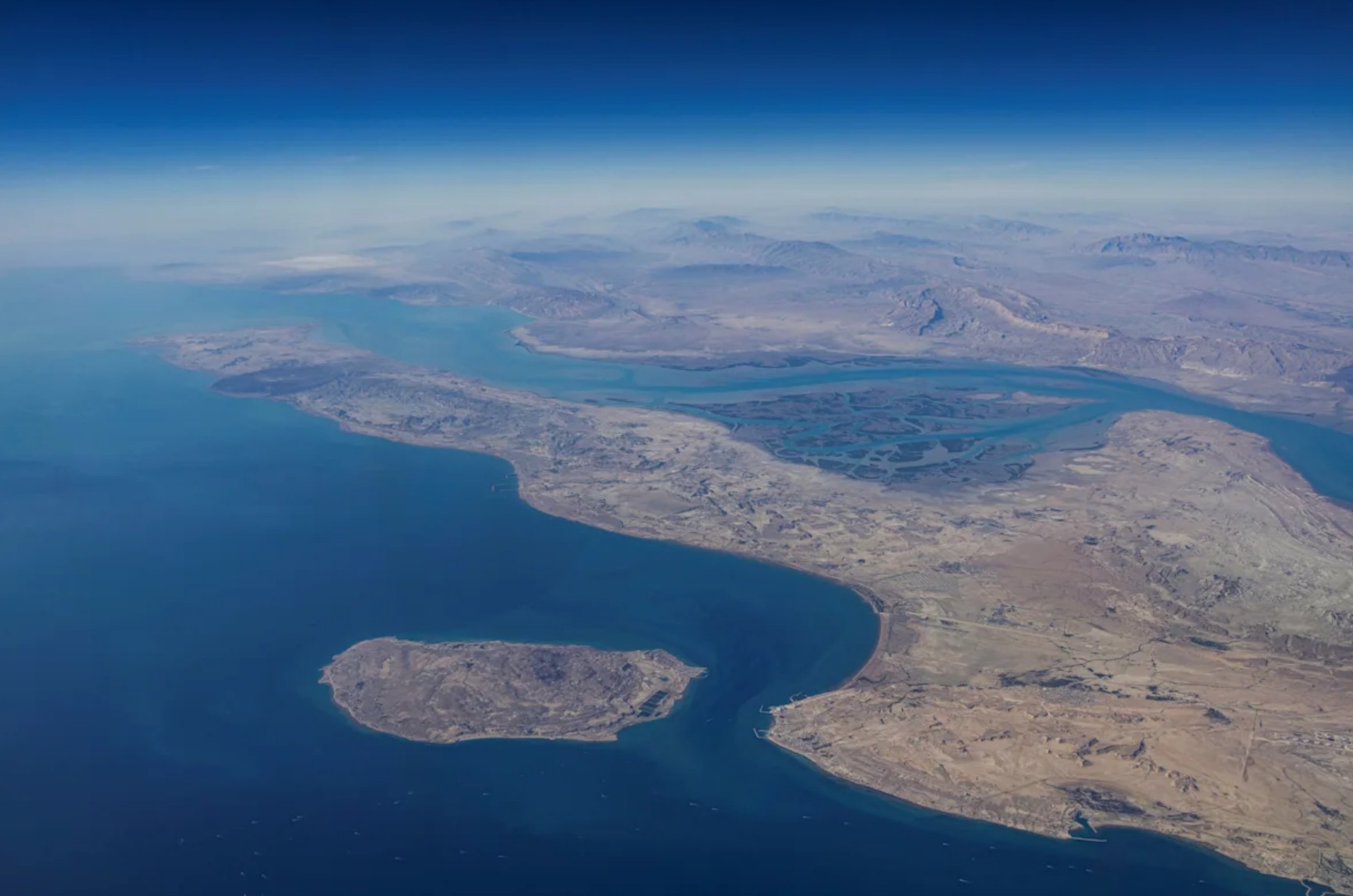
Further price declines were limited by the ongoing US-Iran conflict and risks to shipping through the Strait of Hormuz. Iran announced an attack on US drone and missile facilities in Kuwait after the US strike on Qeshm Island in the Strait of Hormuz. Bahrain, where the US Navy’s Fifth Fleet is based, reported intercepting Iranian attacks.
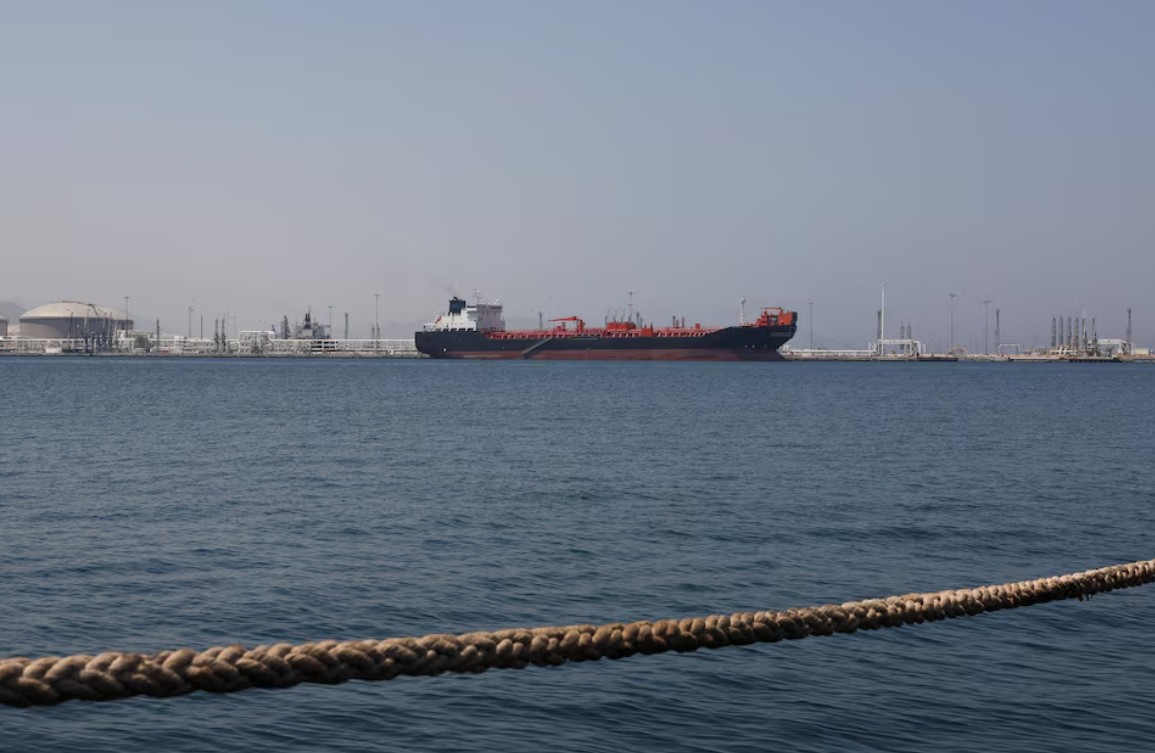
UAE company ADNOC L&S reported that one crew member was missing and 11 were injured after an attack on their vessel in the Strait of Hormuz on Tuesday. A gas tanker was also hit by a projectile off the coast of Oman on Monday, forcing the crew to evacuate.
LSEG analysts noted that although regional supplies may continue via alternative routes, the latest vessel data indicate that normalization of flows through Hormuz is still impossible under current conditions.
As observers note, the key feature of the situation is the gap between fundamental factors (inventory build, supply surplus) and geopolitical risks that are preventing prices from falling further. The rise in US inventories gives the market a signal of weak demand, but supply disruptions through the Strait of Hormuz are keeping Brent above $90.
For the energy market, the immediate effect will be visible primarily in the dynamics of the Brent/WTI spread and in assessments of risks for tanker shipments through the Strait of Hormuz — and that is precisely where it is most sensitive for the balance between supply surplus and geopolitical premium.