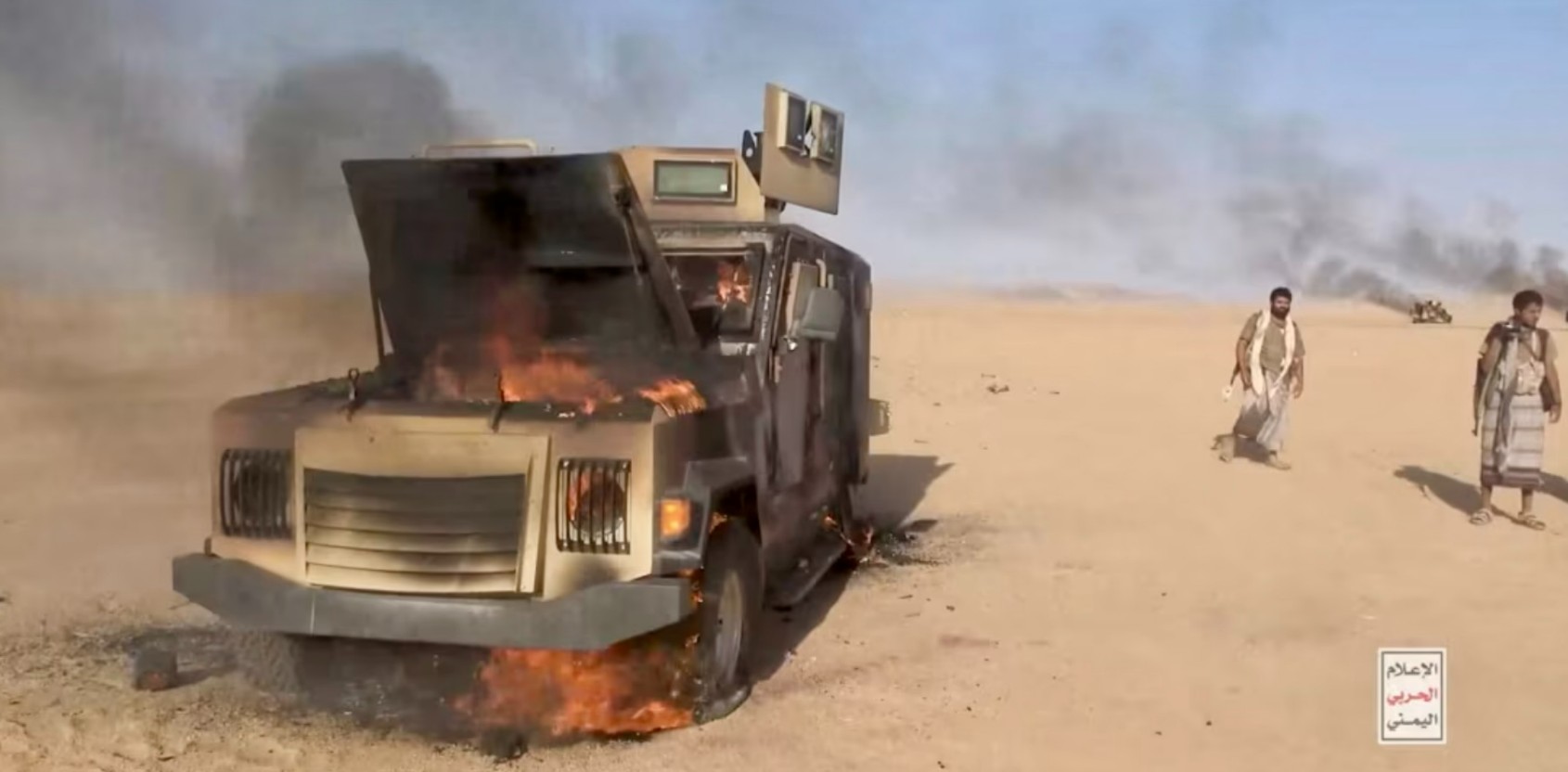
SANA (IA Realist). Yemen’s Ansar Allah movement (Houthis) has completed establishing control over the Bab-el-Mandeb Strait and intensified strikes on Saudi Arabian territory. The US administration, despite persistent appeals from Riyadh, refuses to strike the group’s positions, limiting itself to intelligence support and targeting. This is causing growing frustration in both American and regional official circles.
The Essence of the Decision: Control Over the Strait and Washington’s “Red Line”
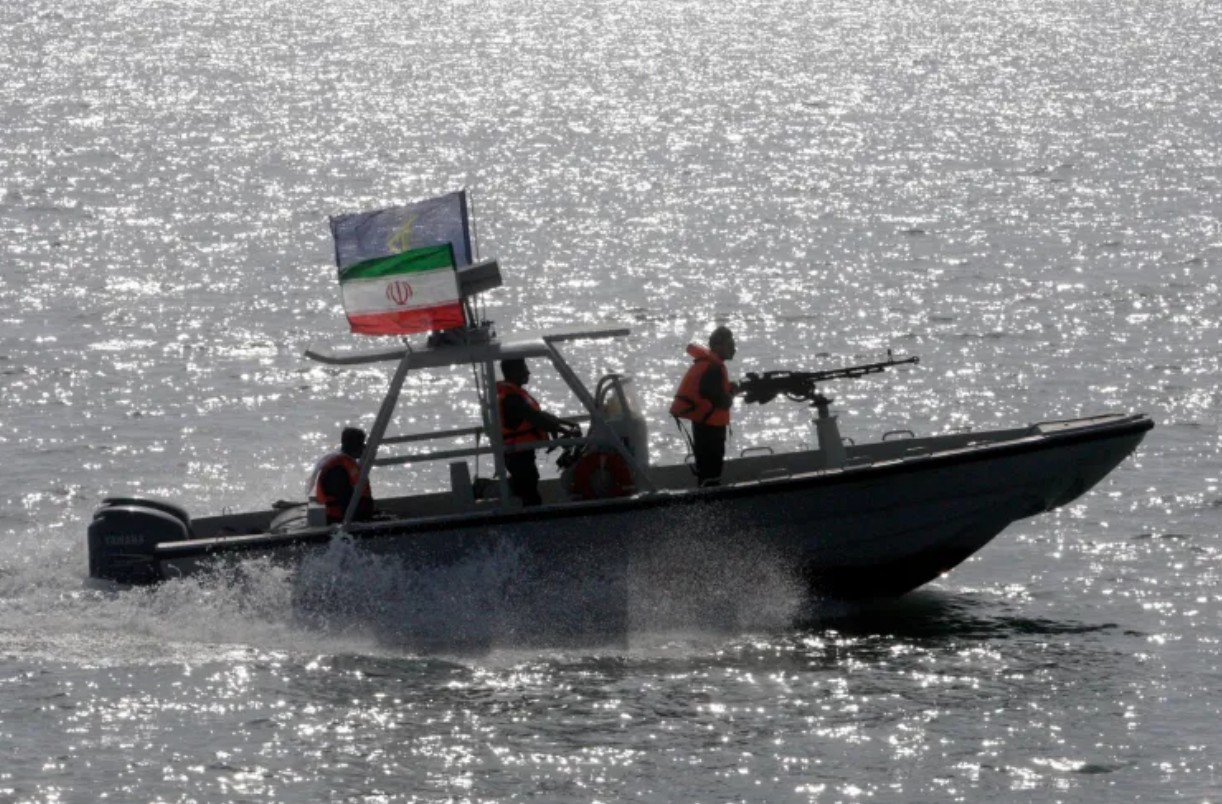
In recent weeks, the Houthis have made rapid advances along Yemen’s western coast, establishing control over the entire Red Sea coastline. The culmination was the capture of the port city of Mokha, followed by the strategically important islands of Greater and Lesser Hanish, as well as the islands of Zukar and Mayun, located directly in the Bab-el-Mandeb Strait. According to AFP, this allowed the group to complete establishing control over the strait zone, through which a significant portion of world maritime trade passes.
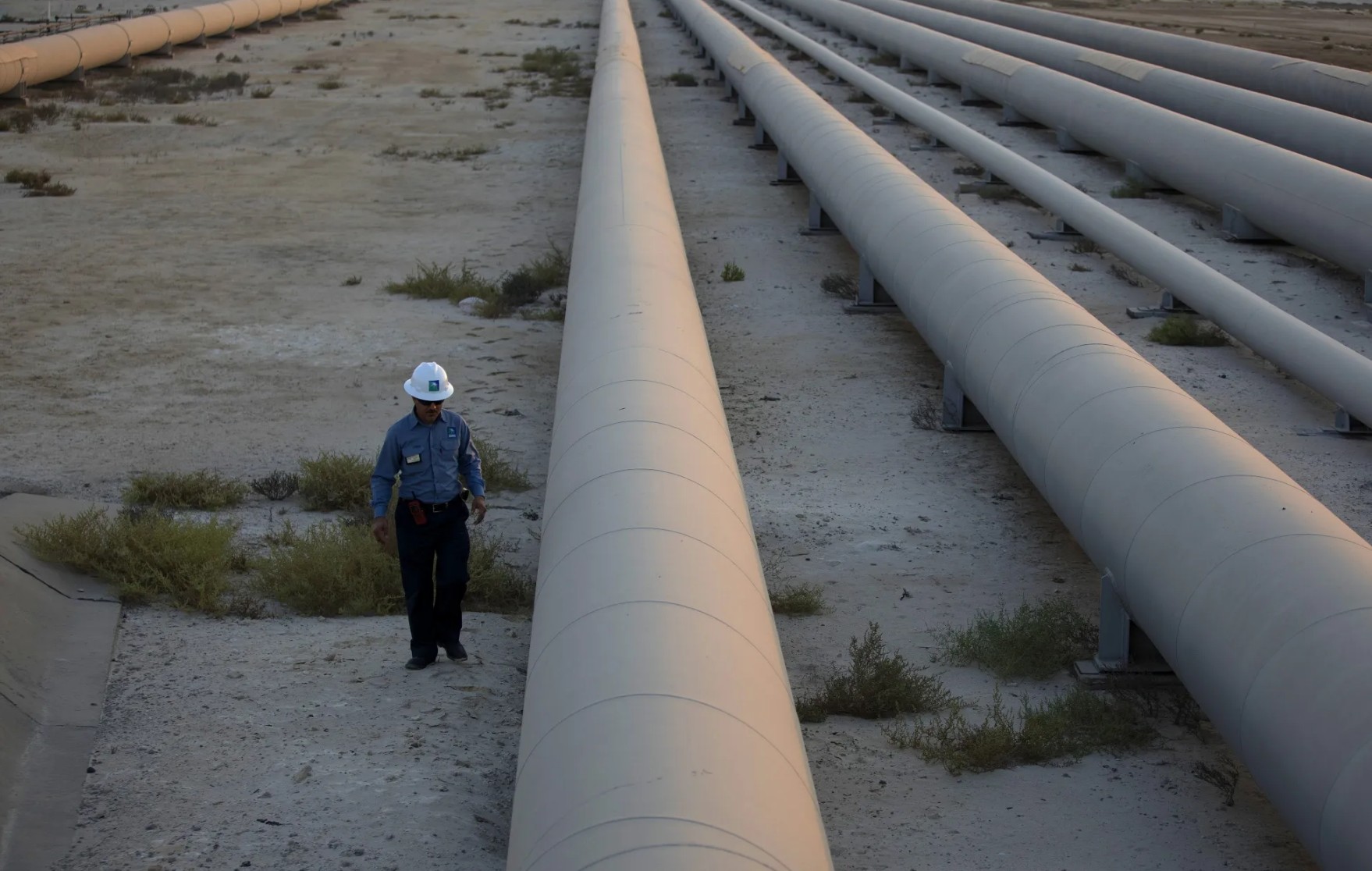
In parallel, the Houthis intensified strikes on Saudi Arabian territory. On 19 September, they claimed missile and drone attacks on targets in Riyadh and the oil port of Yanbu. Saudi air defence confirmed an attempted ballistic missile strike on the capital — the first since the start of the current escalation cycle. Earlier, reports emerged of an attempted attack on Mecca and the destruction of a Saudi F-15 fighter jet. Since July 2026, the Houthis have declared a “naval blockade” of Saudi Arabia, attacking vessels and facilities linked to the kingdom.
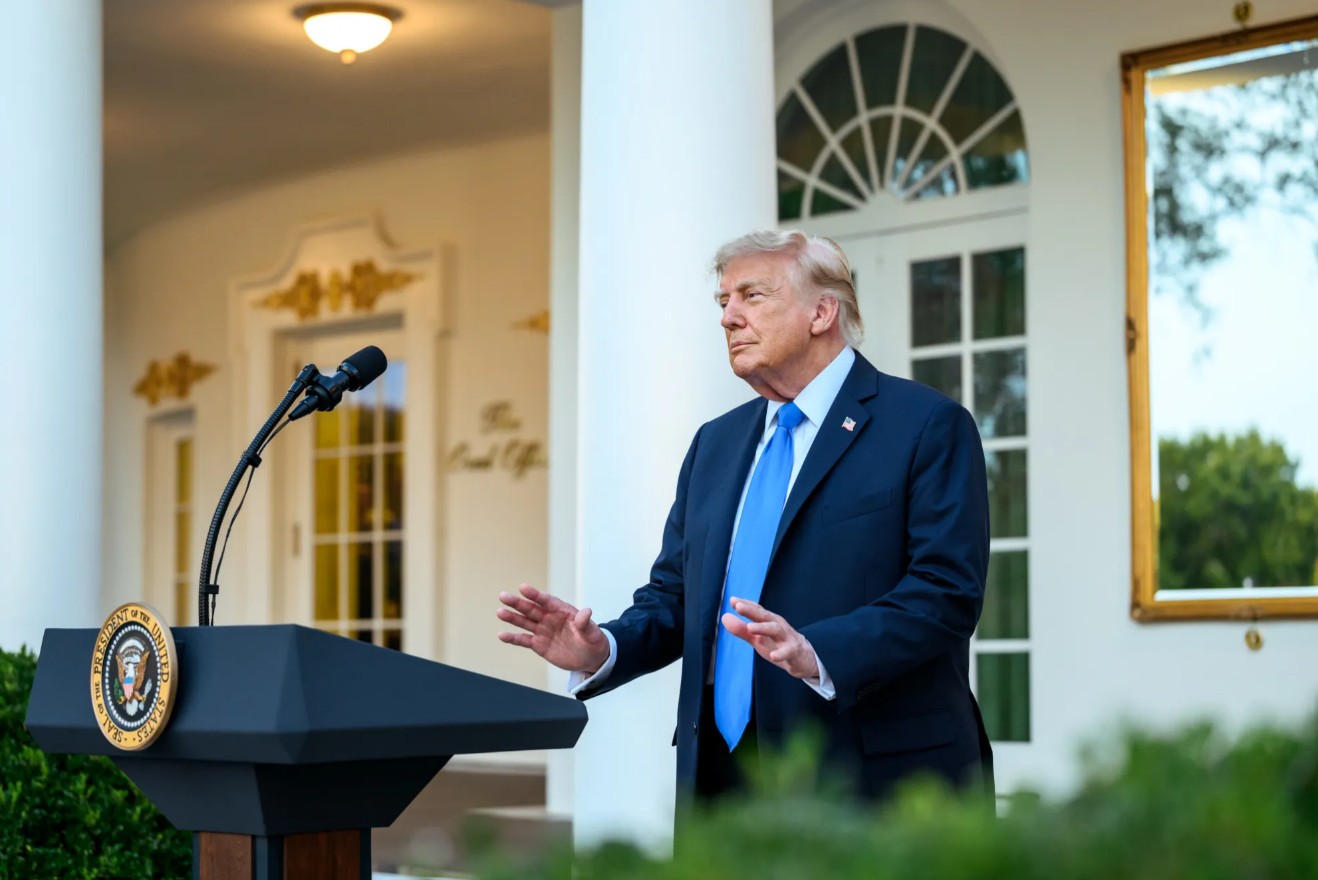
A key feature of the current situation is Washington’s reluctance to engage in a direct military confrontation with the Houthis. According to CNN, the Trump administration has made clear: its “red line” is non-participation of American military personnel in kinetic strikes on the group’s positions. A US official put it succinctly: “No offensive strikes.”
At the same time, the US formally provides significant support to Saudi Arabia. According to CNN, more than 100 American military advisers are deployed on the kingdom’s territory, providing intelligence and targeting for Saudi strikes on the Houthis. However, as CNN notes, even with this assistance, Riyadh has been unable to effectively stop the Houthi advance. An illustrative episode was when Saudi Crown Prince Mohammed bin Salman twice in one day — 10 September — called President Trump to request strikes on the Houthis. Both appeals were rejected.
Market Reaction: Shipping Collapse and Rising Oil Prices
The Houthis’ establishment of control over the Bab-el-Mandeb Strait has already led to a sharp reduction in shipping. According to Anadolu, only four vessels passed through the strait in a single day — an 88% drop in traffic. About 12% of world trade turnover and a significant portion of oil supplies pass through this strait. After the effective halt of shipping through the Strait of Hormuz (due to the US war with Iran), it was Bab-el-Mandeb that remained the key route for Saudi exports. Now this channel is also under threat.
Against this backdrop, Italy announced a possible independent naval mission to protect its vessels, without waiting for a common European decision. This indicates that European allies are beginning to act bypassing Washington, not counting on its active role in ensuring maritime security.
Global Spillovers: Asia and Europe Face a New Test
Further destabilisation of the Red Sea will inevitably hit energy markets and supply chains, affecting the interests of China, India, and Central Asian states. Asia is heavily dependent on energy imports, diesel and gasoline prices have risen faster than crude oil prices, and the room for fiscal and monetary policy was already narrow — now additional pressure is mounting.
In China, consumer inflation accelerated for the first time since April, and producer price growth exceeded expectations, mainly due to recovering food and energy prices. In the Taiwan region, CPI has exceeded the central bank’s 2% warning level for the fourth consecutive month. In Europe, the European Central Bank raised rates by 25 basis points to 2.50% on 10 September, and its inflation forecasts for 2027 and 2028 were raised. The latest eurozone CPI was 3.2%, with core inflation at 2.4%.
Key Disagreement: US and Saudi Arabia Diverge on Strategy
Within the US-Saudi alliance, there are subtle disagreements in assessing further actions. Washington’s unanimous position on refusing offensive strikes underscores a desire to minimise costs, but Riyadh insists on more decisive intervention. CNN sources indicate that Trump’s messages are perceived by Persian Gulf monarchies as a signal to Iran about Washington’s unwillingness to defend its allies. Trump himself publicly stated that the Houthis “don’t want to fight us” and would prefer US non-intervention, focusing on a single target — Saudi Arabia. Former US diplomat Barbara Leaf called these comments “shocking.”
On the other hand, there is a view that the US overestimates Riyadh’s ability to contain the group on its own. As analysts note, months of bombing failed to destroy Houthi infrastructure, and a new campaign would require significant resources that the US already lacks.
Political Background: Ignoring Riyadh’s Pressure
The refusal of direct intervention comes against the backdrop of approaching midterm elections to Congress, and rising fuel prices are a sensitive domestic political factor. The White House’s strategic calculation appears to rest on several factors. First, the US is focused on the Iranian track and does not want to open a “second front” against an Iran-backed group. Second, Washington seeks to avoid escalation that could lead to even higher oil prices. Third, the Trump administration apparently hopes to shift the costs of military confrontation onto regional partners who are not ready for it.
Trump confirmed that the US will not carry out strikes, stressing that the committee will continue to fulfil its obligations to allies, but exclusively in the format of intelligence support. Saudi Arabia, which for years relied on the American military machine, now faces the need to contain the group on its own, whose potential was apparently underestimated.