JERUSALEM (Realist English). Israel has completed voting in parliamentary elections, the first nationwide vote since the October 7, 2023 attack. According to exit polls from three leading television channels, the country has found itself in a political deadlock: neither Prime Minister Benjamin Netanyahu’s bloc nor the bloc of his main rival, Gadi Eisenkot, receives the 61 mandates required to form a government in the 120-seat Knesset.
Record turnout
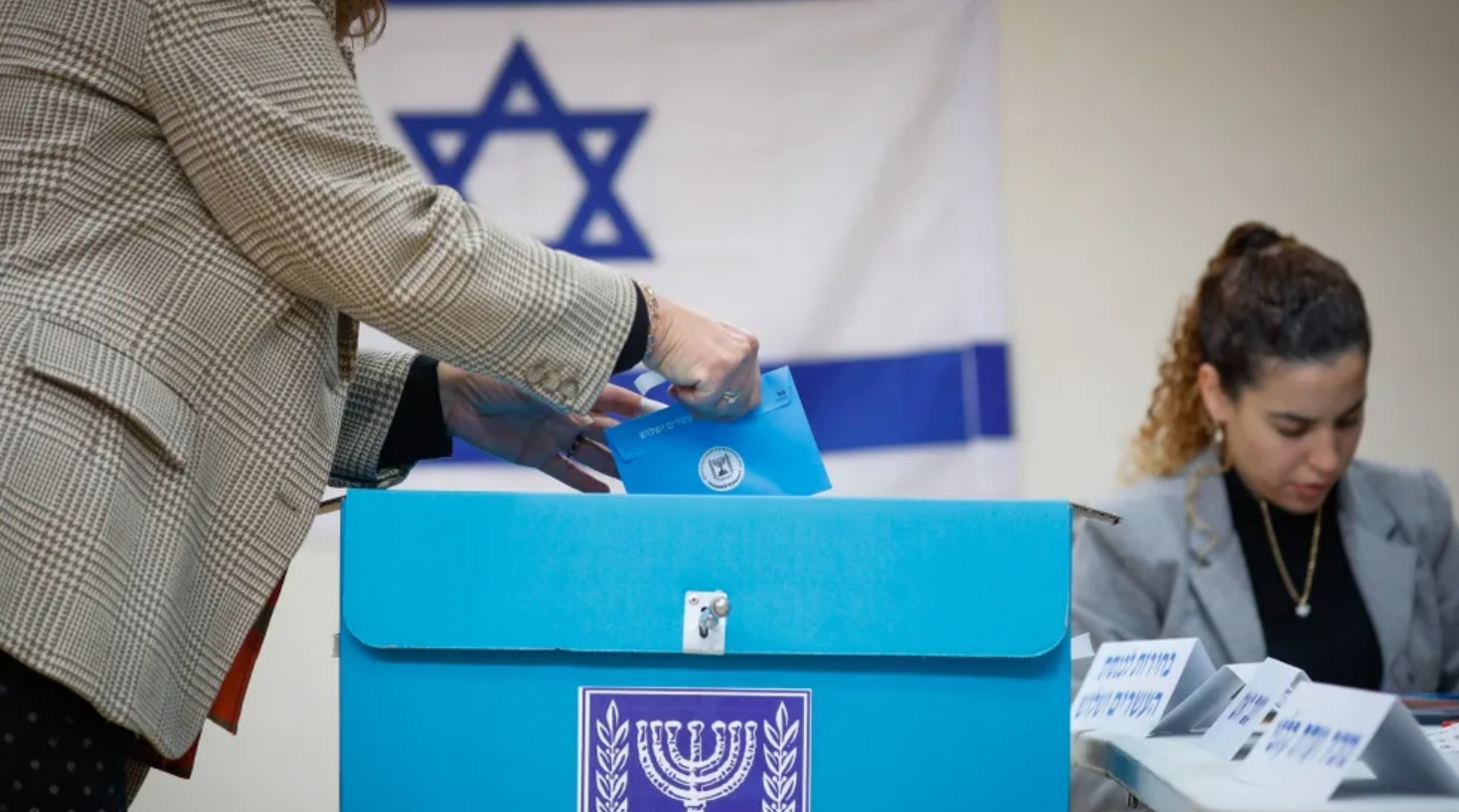
Turnout was the highest since 1999. According to the Central Election Commission, by 20:00 local time, 74.3% of voters had cast ballots — 8 percentage points more than in the 2022 elections. By the end of the day, according to Ukrinform, turnout reached 77.7%.
A total of about 7.3 million Israelis were eligible to vote; 67,000 people specifically returned from abroad to vote. Observers link such a high level of participation to the perception of the elections as a “referendum on Netanyahu’s wartime leadership” and the mobilization of Arab voters.
Balance of power: no majority
Exit polls give the following results. Netanyahu’s bloc (Likud and allies) receives about 50 seats — a catastrophic drop compared to 68 seats in the previous Knesset. Eisenkot’s bloc (Yashar and partners) — 52–53 seats. The Likud party itself remains the largest faction with 24–25 seats, but Eisenkot’s Yashar, created just a year ago, comes second with 21–23 mandates.
The main surprise is the record representation of Arab parties: the Joint List and Ra’am together receive 17–18 seats, against five each in the outgoing parliament. This makes them potential “kingmakers,” but both Netanyahu and Eisenkot ruled out a coalition with them during the campaign.
Statements by leaders
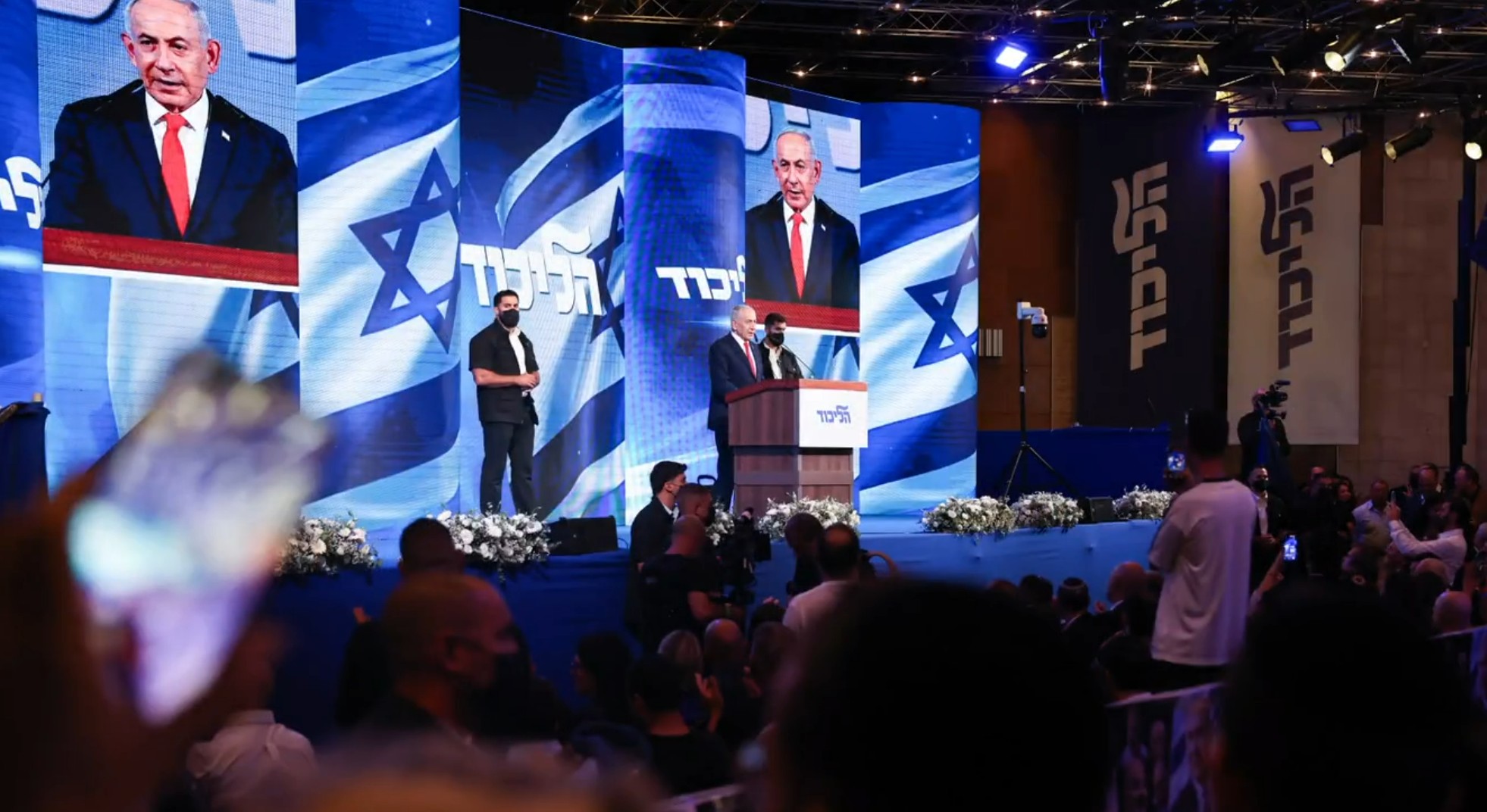
Netanyahu, speaking to supporters in Jerusalem, called for a “strong right-wing government” and declared that “the Jewish and Zionist majority must unite.” He again hinted at readiness for a third bombing campaign against Iran together with Donald Trump.
Eisenkot, in turn, stated: “The people voted for change,” and promised to “act quickly” to change the government. He warned Netanyahu: “Do not dare use Israel’s security for your political needs,” calling him an “acting prime minister without a mandate or the people’s trust.”
What next: scenarios
Final official results are expected within 48 hours, but coalition negotiations could take days or weeks. Possible scenarios: a unity government of Netanyahu and Eisenkot (according to media reports, Netanyahu told American and European officials that he sees Eisenkot as the “best partner” in the event of a renewed conflict with Iran); a minority government with external support from Arab parties; or new elections.
Israel voted for change but did not give anyone a mandate to carry it out. The record turnout and the devastating result for Likud signal deep distrust of Netanyahu, but the fragmentation of parliament and the refusal of both blocs to ally with Arab parties create an institutional trap. While negotiations continue, Netanyahu remains acting prime minister — and, as his hint about Iran showed, retains control over the foreign policy agenda. The final outcome depends not on the arithmetic of exit polls but on who can first assemble 61 mandates in conditions where neither bloc is willing to pay the price demanded by the Arab parties.