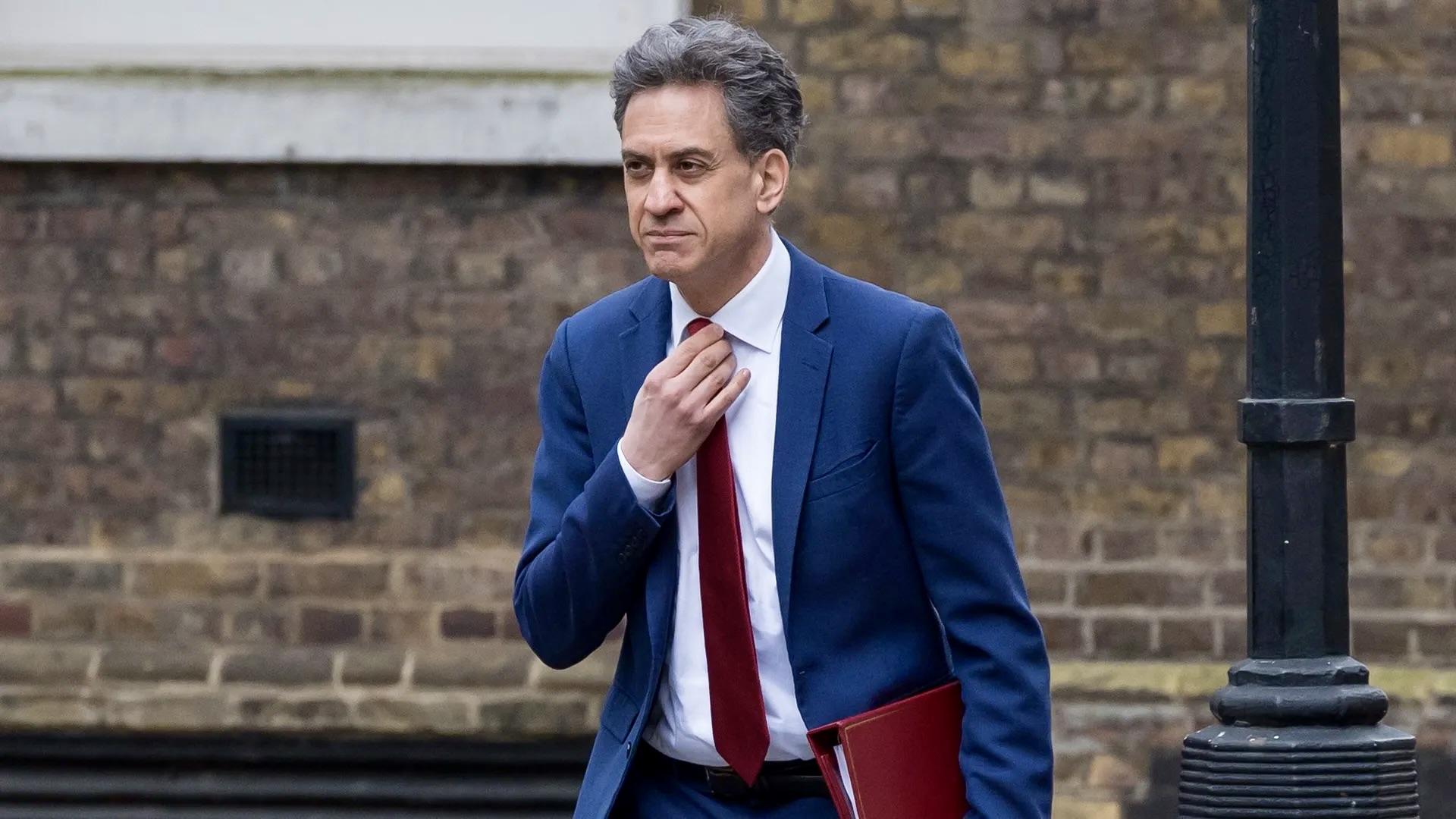
LONDON (Realist English). Britain’s new Prime Minister Andy Burnham has appointed former Labour Party leader Ed Miliband as Secretary of State for Foreign, Commonwealth and Development Affairs. The appointment was announced by the Prime Minister’s Office at Downing Street on July 20.
Miliband replaces Yvette Cooper, who retains a cabinet position as Secretary of State for Health and Social Care.
His elder brother, David Miliband, held the same post from 2007 to 2010 in Gordon Brown’s government.
Path to the Foreign Office: From Party Leader to “Energy” Minister
Miliband, who turns 56 this year, began his political career as MP for Doncaster North in 2005. In 2010, he defeated Andy Burnham in the Labour Party leadership contest and led the party until its heavy defeat in the 2015 election.
After several years in the political “wilderness,” Miliband made a gradual comeback, becoming Secretary of State for Energy Security and Net Zero in Keir Starmer’s government.
It was in this role, observers believe, that he gained experience in international negotiations and engagement with other countries, which ultimately led to his appointment as head of the Foreign Office.
Miliband was initially considered the leading candidate for Chancellor of the Exchequer, but Burnham preferred to see him in the diplomatic arena.
First Statements: Ukraine, US, Middle East, and the Strait of Hormuz
In his first statement after his appointment, Miliband outlined four key priorities that will define his work:
- continued support for Ukraine in its standoff with Russia;
- maintaining the “special relationship” with the United States;
- achieving “sustainable peace in Palestine and Israel”;
- reopening the Strait of Hormuz.
The minister also stated that the Foreign Office would be “at the forefront of issues that pose deep and substantial threats to justice and equality in Britain and around the world,” including the climate crisis and international development.
His words were given particular emotional weight by a personal statement: “My parents came to Britain as Jewish refugees from the Nazis. For them, Britain was both a refuge and a beacon of hope in the global fight against fascism. I will carry my parents’ faith in that spirit of Britain as I represent our country.”
Reaction from the Jewish Community: Between Pride and Concern
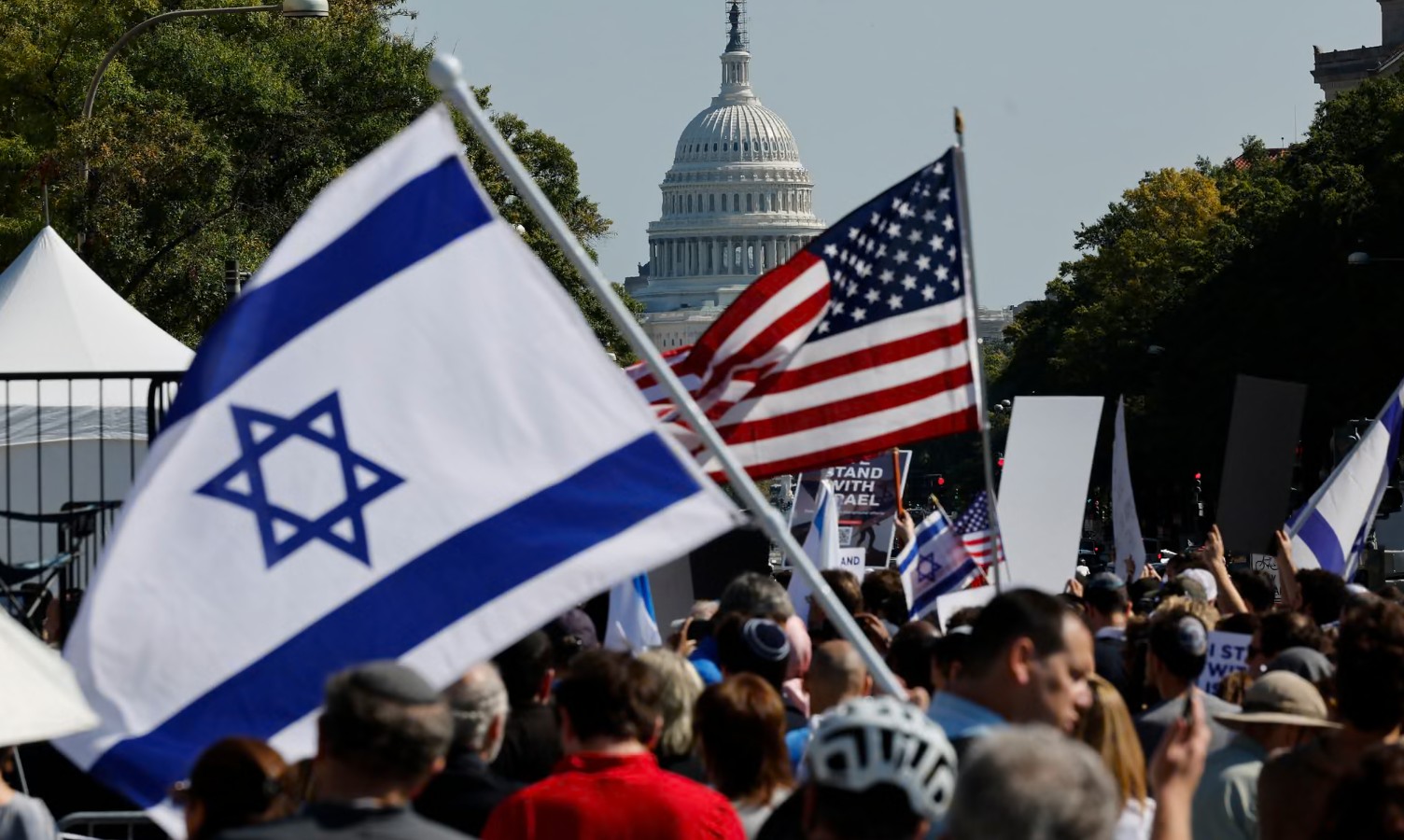
Miliband’s appointment — he became the first Jewish leader of the Labour Party — has drawn mixed reactions from Jewish organisations.
The main source of controversy is his position on Israel. As party leader, Miliband:
- called Israel’s 2014 military operation in Gaza “wrong and unjustified”;
- insisted on a parliamentary vote for unilateral recognition of the State of Palestine;
- publicly stated that Israeli settlement expansion is “wrong and illegal” and poses a “mortal threat” to the peace process.
At the same time, critics note that during his leadership, Labour support among Jewish voters fell sharply, and the party itself faced criticism for its slow response to rising antisemitism. Miliband himself consistently sought to balance criticism of Israeli policy with a commitment to fundamental pro‑Israel principles.
Cabinet Reshuffle in the New Government
Miliband’s appointment was part of a major cabinet reshuffle carried out by Burnham on his first day as prime minister. Key changes include:
- John Healey, the former Defence Secretary who resigned over defence disagreements, was appointed Chancellor of the Exchequer.
- Shabana Mahmood retained her post as Home Secretary.
- Wes Streeting, the former Health Secretary, took over as Defence Secretary.
- David Lammy, who had served as Foreign Secretary under Starmer, left the government.
- Rachel Reeves, the first female Chancellor in British history, was also dismissed.
Miliband’s appointment as head of British diplomacy marks the return to power of one of the Labour Party’s most experienced and controversial politicians. His first statement, covering Ukraine, Israel, and the Strait of Hormuz, signals the new minister’s intention to play an active role in resolving the most acute international crises.
At the same time, his position on the Middle East, formed as early as 2014, may become a source of tension in relations with Israel and Jewish communities within Britain itself.