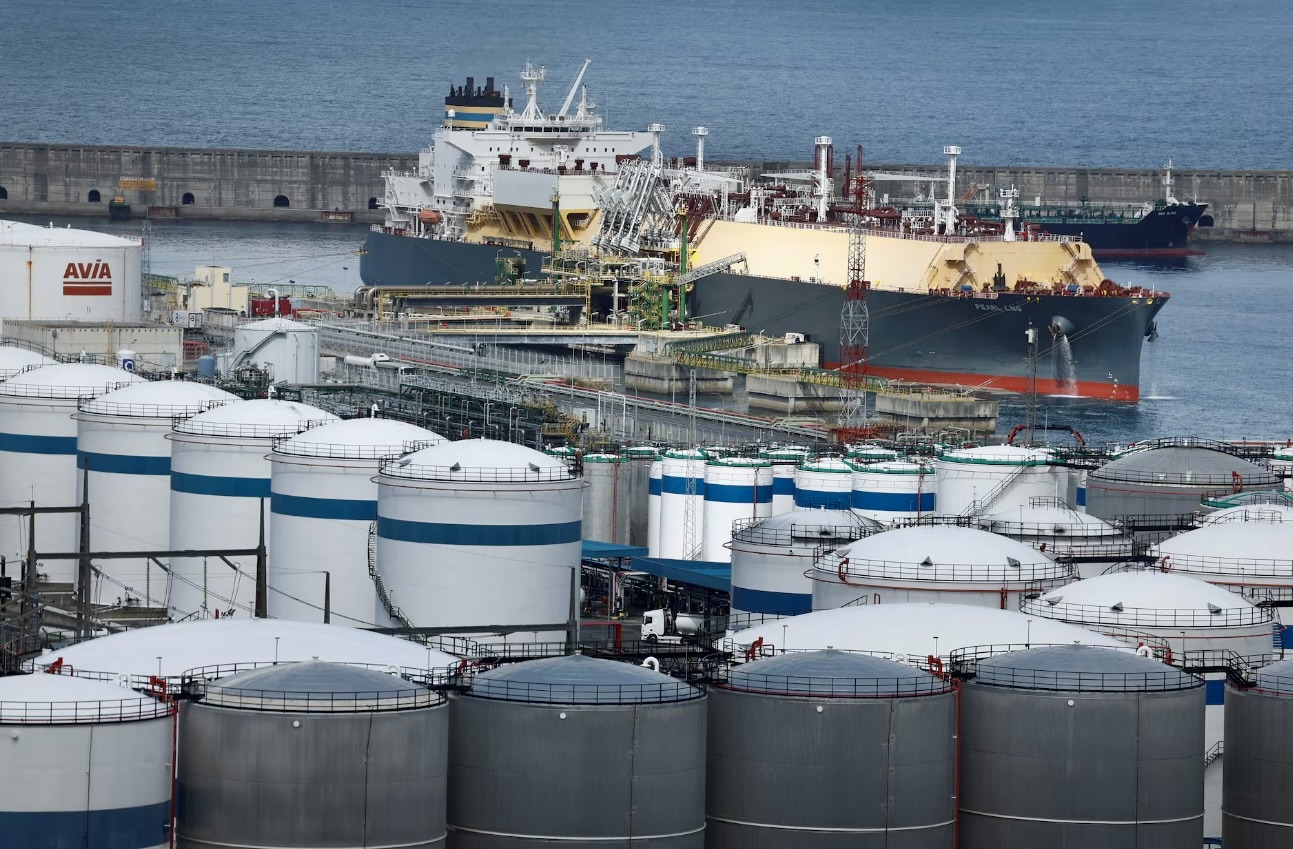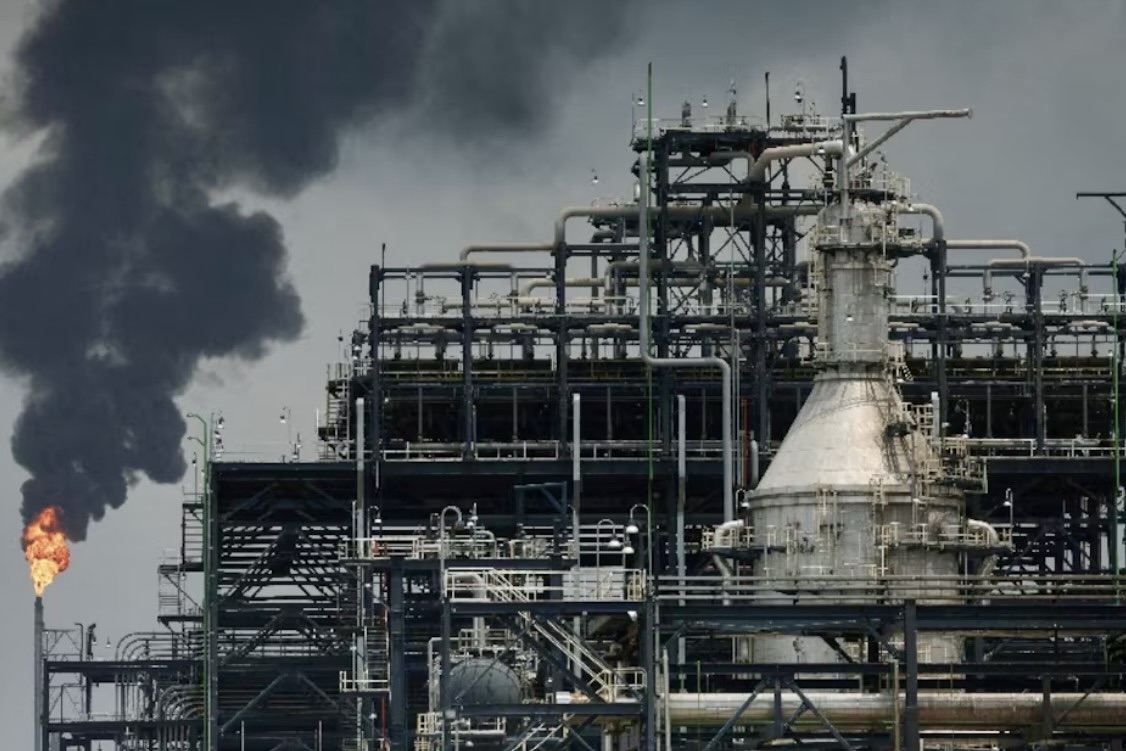
NEW YORK (Realist English). Global oil markets have suffered their sharpest drop in weeks. On the morning of 3 August, Brent fell as much as 8.28% to $81.55 a barrel, before recovering to $83–84. WTI dropped 5.85% to $79.72, later paring losses to $80.66–80.76.
The plunge marks a sharp reversal after a turbulent July, when Brent surged nearly 25% – the biggest monthly gain since March 2020. Prices swung in a range of about $32 over the month amid renewed US‑Iran hostilities.
Trump gives diplomacy a chance
The main trigger for the collapse was President Donald Trump’s announcement that he had called off planned massive strikes on Iran and would begin talks on 3 August. According to Trump, Iran and other Middle Eastern nations asked Washington to hold off because “the outlines of a deal have already been agreed.”
Key conditions of a potential agreement include the full opening of the Strait of Hormuz to commercial shipping and an end to Iran’s nuclear threat. Trump said Israel supports the pause in strikes, but gave no details on the venue, participants or a deadline for the talks.
The cancellation followed intensive consultations: Trump spoke with Saudi Crown Prince Mohammed bin Salman, while Qatar, the UAE, Turkey and Pakistan actively pushed for de‑escalation.
Tehran: ‘No agreement exists’
Despite Trump’s optimism, Iran has not confirmed any deal. The Fars news agency, the IRGC’s mouthpiece, cited a source in Iran’s negotiating team as saying: “There is no agreement on resuming shipping through the Strait of Hormuz.” The strait will remain closed as long as the US continues “hostile actions.”
Iranian Foreign Minister Abbas Araghchi confirmed that talks with Oman on a new route through the strait are in their “final stage,” but stressed that the situation “will not return to what it was before the war.”
Iran’s acting defence minister called Trump’s statements part of “psychological and cognitive warfare,” but warned: “We consider any threat real and take it seriously.”
OPEC+ adds to price pressure
An additional factor weighing on prices was the decision by the OPEC+ “Group of Seven” (Saudi Arabia, Russia, Iraq, Kuwait, Kazakhstan, Algeria, Oman) to increase output by 188,000 barrels per day from September 2026.
The alliance is thereby completing the return to the market of volumes cut under the second phase of voluntary restrictions – totalling 1.65 million bpd. The first phase of 2.2 million bpd was already unwound in September 2025.
However, as Reuters notes, due to export disruptions in the Gulf caused by the war, previous quota increases “remained largely on paper and had little impact on the market.”
Risks remain
Analysts warn that the drop may prove temporary. IG Markets notes that “hopes for a deal could collapse if Iran continues to dig in and use its control over the strait – possibly by attacking a US base or a tanker.”
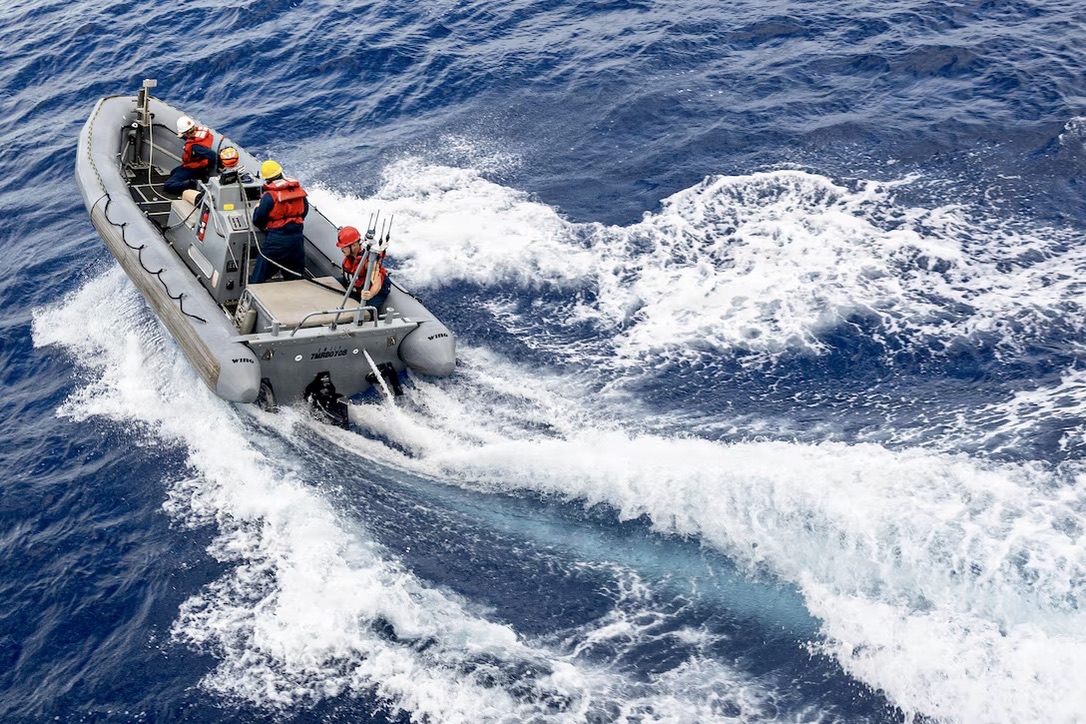
British naval forces reported three new attacks on tankers since Saturday, and on Sunday an explosion was recorded near a vessel off the coast of Oman.
Before the war, about 20% of the world’s oil and LNG passed through the Strait of Hormuz. The strait remains largely blockaded, and any new escalation could instantly send prices back to triple‑digit levels.
Markets have priced in an optimistic de‑escalation scenario. However, Tehran denies any agreements, and talks with Oman do not change Iran’s position on control over the strategic waterway.
As Reuters notes, “Trump’s apparent de‑escalation after days of mutual threats was another twist in the protracted war.” The question is whether the sides can find common ground at the negotiating table – or whether rhetoric and military threats will once again prevail. The Middle East remains in a state of uncertainty, and the oil market is waiting for the next signal.