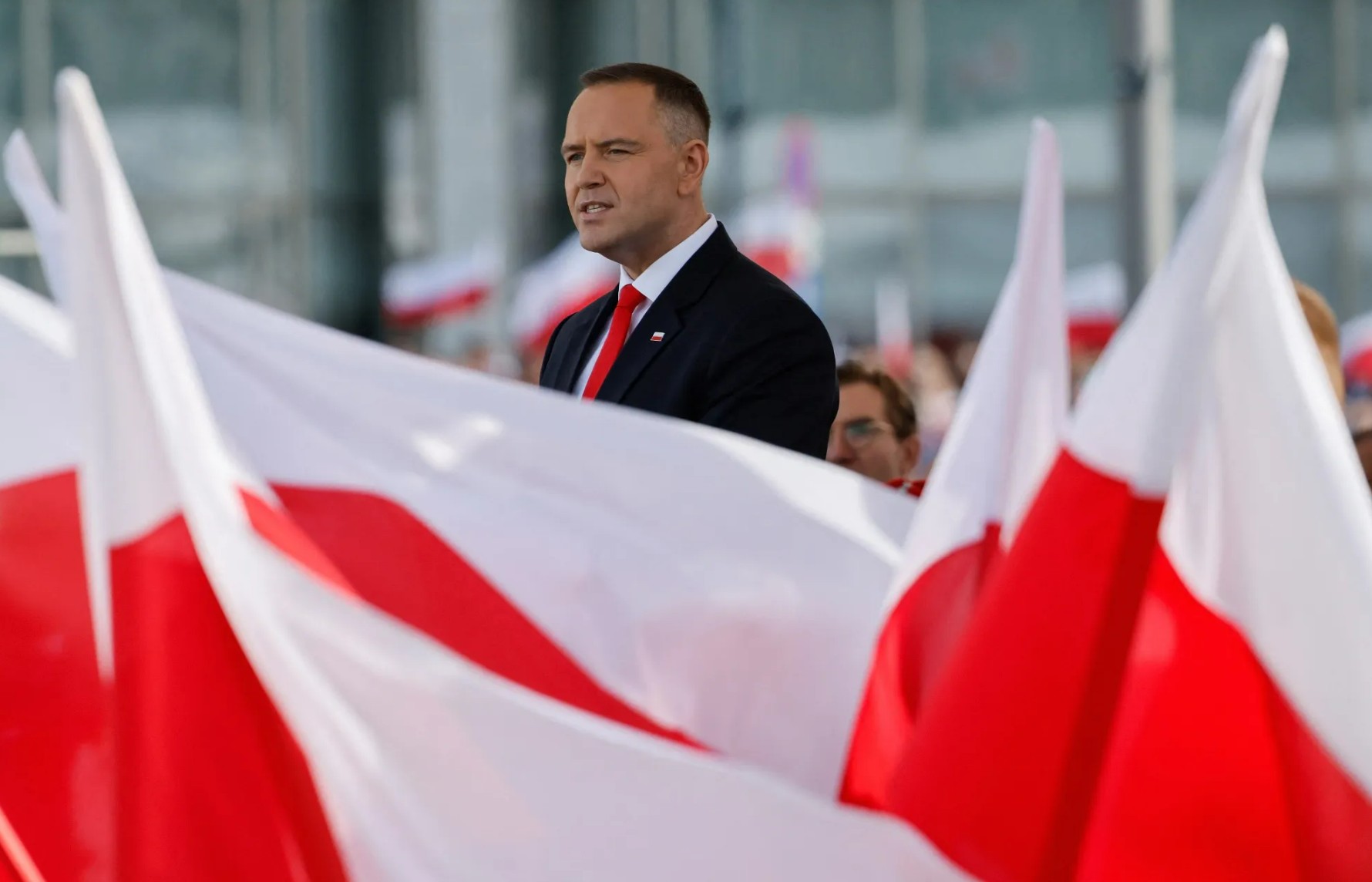
WARSAW (Realist English). The annual “Independence March,” organized by nationalist movements on Poland’s Independence Day, may break a record for attendance in 2026. The march will begin at 14:30 from Dmowski Roundabout and end at the National Stadium. The figure of half a million participants announced by organizers significantly exceeds previous years’ numbers and turns the event into a key political indicator ahead of parliamentary elections scheduled for late 2027.
Kraków Shooting as a Catalyst for Tension
The tragedy occurred on 7 November in Kraków’s historic centre: a 24-year-old Pole opened indiscriminate fire on passers-by, killing six people and wounding about 15. Later, the bodies of his parents and sister were found in his home. The suspect died of his wounds in hospital on Monday.
Prosecutors classified the attack as a potential “act of terrorism” and are investigating motives, including a possible link to far-right ideology, which drew sharp criticism from the conservative opposition.
Political Background: Judicial Crisis and the President’s Role
The incident coincided with an escalation of institutional conflict around the Constitutional Tribunal. Prime Minister Donald Tusk’s government accuses nationalist predecessors of “political” appointments of judges, while the opposition led by the Law and Justice (PiS) party accuses the cabinet of undermining constitutional order.
Nationalist President Karol Nawrocki, who rarely appears in public with the prime minister, said he intends to personally attend the march. Despite the tragedy, PiS cancelled protests scheduled for Monday and Tuesday but did not rule out resuming them later in the week.
Risks and Calls for Restraint
Prime Minister Donald Tusk categorically denied rumours of a possible ban on the march: “No one is going to ban the Independence March. Speculation about this is ordinary disinformation.”
At the same time, he urged participants to refrain from aggression and to avoid counter-demonstrations so as not to complicate police work. Observers assess the march as “high-risk,” fearing the crowd may deviate from the agreed route and head toward the Constitutional Tribunal building. About 1,000 volunteers and significant rescue forces are deployed to maintain order.
The 2026 “Independence March” is not just a traditional patriotic event but a test of manageability of Poland’s political crisis. The Kraków tragedy, regardless of the final conclusions of the investigation, has already become a tool in the hands of both sides: the government points to the risks of far-right extremism, while the opposition accuses the cabinet of politicizing the tragedy.
The record claim of 500,000 participants gives the march weight that could either demonstrate the mobilization potential of nationalists or provoke unrest capable of discrediting them in the eyes of moderate voters. The key question is whether the march can be kept within agreed bounds, or whether Warsaw will witness a new round of street confrontation that would undo the fragile unity demonstrated by leaders at the memorial march in Kraków.