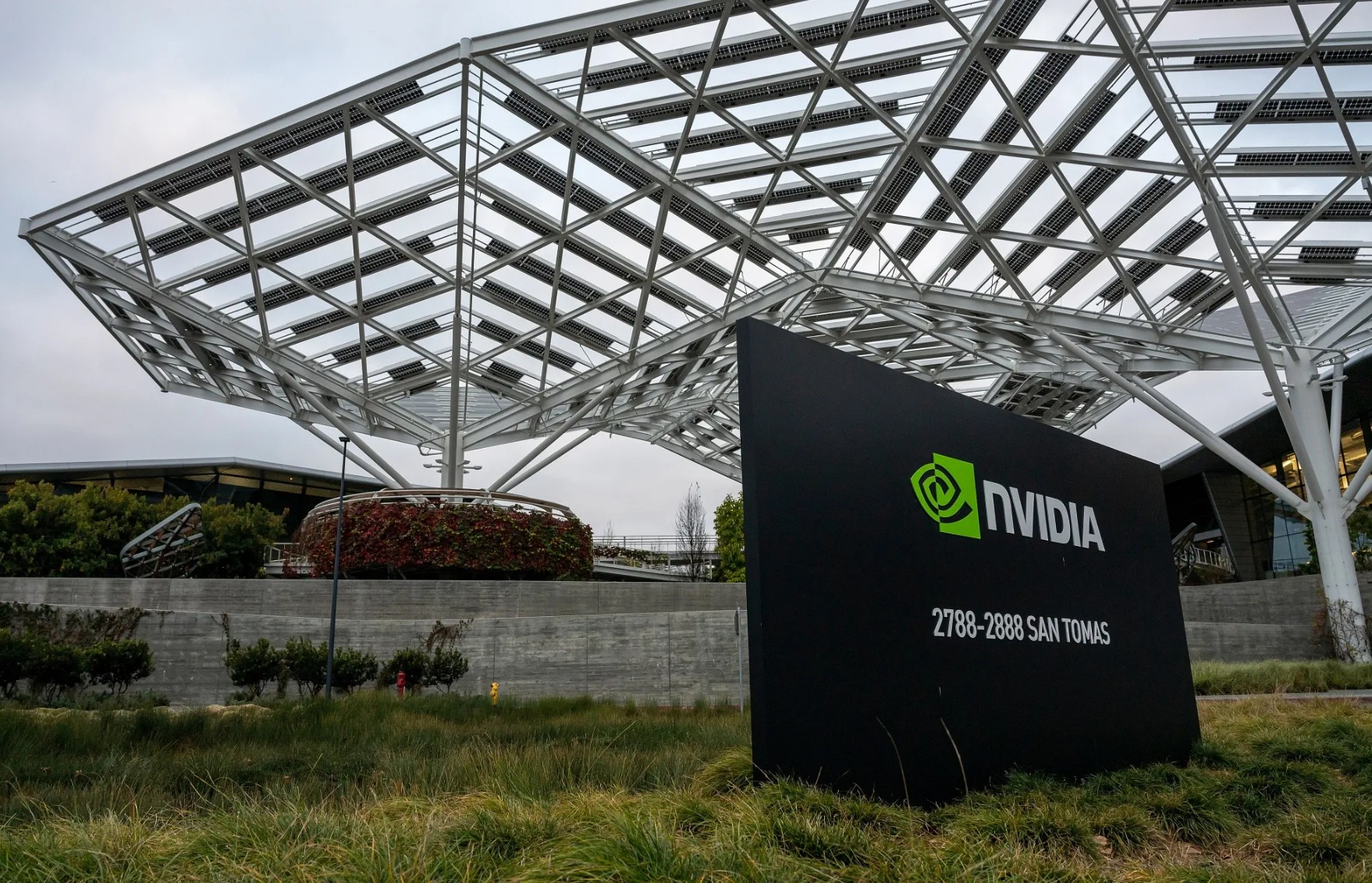
SAN FRANCISCO (Realist English). The US Commerce Department’s investigation into Singapore-based Megaspeed, suspected of smuggling advanced Nvidia chips to China, was abruptly suspended late last year after Nvidia General Counsel Tim Teter contacted senior officials at the agency. This was reported by The New York Times and Bloomberg, citing sources familiar with the situation.
How the investigation unfolded
Commerce Department investigators had been handling the Megaspeed case for several months, suspecting the company of illegally redirecting Nvidia chips to China in circumvention of export controls. However, their work was unexpectedly interrupted, and the case was transferred to the Justice Department.
The turning point was a letter from Nvidia General Counsel Tim Teter, who requested information on the progress of the investigation. In the message, he referenced Jeffrey Kessler, Deputy Secretary of Commerce for Export Control, stating that it was Kessler who had given Nvidia permission to contact the investigators. This alarmed the staff, as they perceived the reference to their supervisor as a violation of established procedures and a potential “contamination” of the case.
Unique restrictions for Nvidia
After Teter’s call to Kessler, staff at the Commerce Department’s Bureau of Industry and Security (BIS) working on the case were instructed to route all requests concerning Nvidia through Kessler or obtain his approval for any contact with the company.
According to sources, this was an “extremely unusual step that remains unique to this chipmaker.” They were also forbidden to mention Megaspeed or its Malaysian subsidiary Speedmatrix in external communications.
Teter himself, according to sources, tried to contact BIS staff directly and requested a meeting but was refused. In response, he said he did not understand the reasons for the refusal, since Kessler had allegedly authorized him to communicate with agency staff.
Connection to the Jensen Huang scandal
Nvidia’s intervention attracted particular attention against the backdrop of a separate scandal. The investigation into Megaspeed revealed a close connection between its senior employee Alice Huang (Huang Le) and Nvidia CEO Jensen Huang. US intelligence concluded that Alice Huang, a Chinese citizen, worked for the Chinese government.
Jensen Huang initially denied the nature of their relationship but later admitted to having an intimate relationship with Alice Huang. In response, Nvidia’s board of directors initiated an internal investigation, although the company stated it saw no grounds to believe that national security or Nvidia secrets had been harmed.
Position of Nvidia and Megaspeed
Nvidia confirmed the fact of communication with government officials, stating that the company consults with authorities “to answer their questions, provide information gathered on the ground, seek their guidance and instructions, and find out if they have any additional questions.” A Nvidia representative stressed that Teter was unaware of Huang’s affair at the time of the call to Kessler.
Megaspeed, for its part, categorically denies involvement in the illegal transfer of chips. The company claims it has undergone multiple checks by BIS, the Malaysian Ministry of Investment, Trade and Industry, and Nvidia itself, which “confirmed the absence of evidence of violations.” Megaspeed also did not rule out a lawsuit against Bloomberg over a publication it called containing “misleading information.”
Nvidia’s intervention in the Commerce Department investigation is not merely an episode of corporate lobbying but an indicator of how deeply the interests of the largest AI chipmaker are intertwined with government export control policy.
The unique requirement to route all contacts with Nvidia through Deputy Secretary Kessler created an unprecedented barrier between investigators and the company, calling into question the independence of the investigation.
Against the backdrop of Jensen Huang’s admission of a relationship with a Megaspeed employee whom US intelligence considers a Chinese agent, the situation takes on the scale of not only a corporate but also a geopolitical scandal. The key question is whether the Megaspeed case will be reviewed in light of new circumstances, or whether Nvidia’s intervention will remain an example of how business interests prevailed over national security.