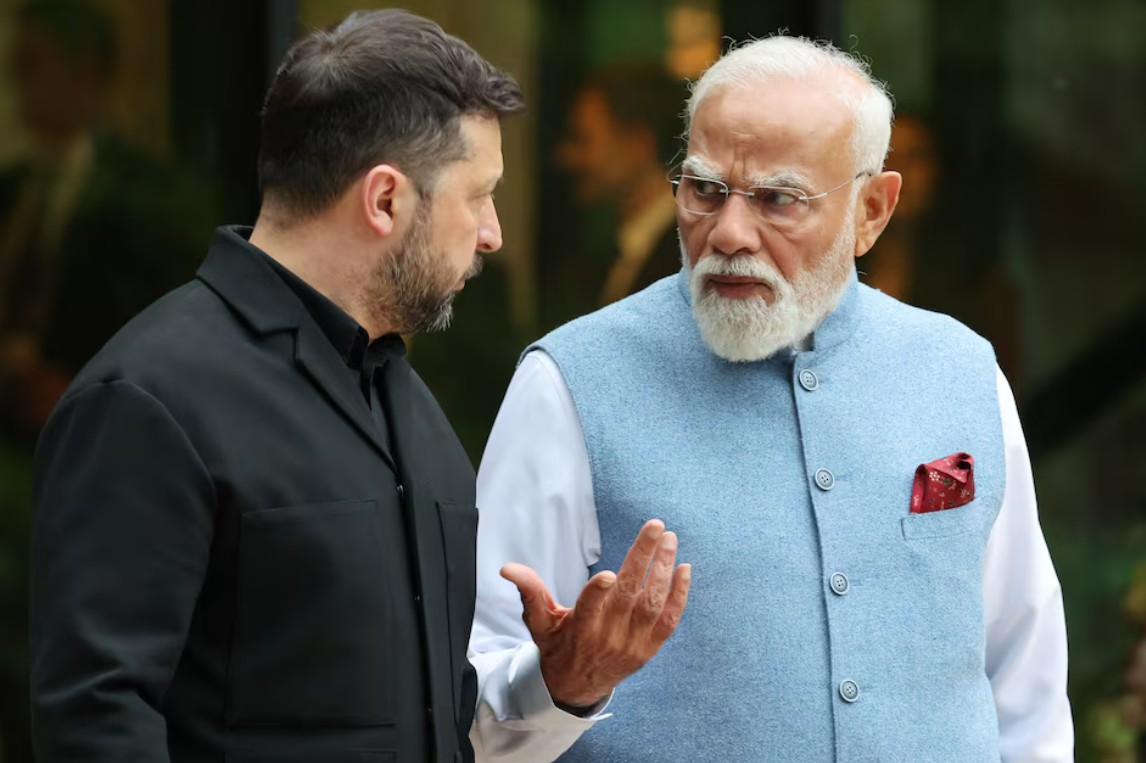
NEW DELHI (Realist English). The phone call between Zelensky and Modi took place on Monday, 9 November, a day before the start of trilateral talks in the UAE. As Reuters reported, the Ukrainian leader informed the Indian prime minister about the latest diplomatic efforts and preparations for the meeting in Abu Dhabi. In turn, Modi confirmed India’s commitment to a peaceful settlement of the conflict through dialogue and diplomacy.
Grain corridors and food security
The central element of the conversation was the situation with grain exports through the Black Sea. According to Zelensky, Modi stated India’s readiness to mediate in creating “food corridors.”
“It is important that India determines what steps it can take and what dialogue with other leaders it can conduct to help end the war. Food security could be one of such areas,” the Ukrainian president wrote on social media X.
Zelensky also stressed that the blocking of sea routes damages the global economy and hundreds of millions of people around the world. India’s Foreign Ministry, commenting on the conversation, noted that Modi “confirmed a people-oriented approach” and Delhi’s readiness to “contribute to all efforts aimed at a peaceful settlement of the conflict.”
India as mediator: Jaishankar’s call to Lavrov
Delhi’s diplomatic activity was not limited to the conversation with Kyiv. Within a few hours after Modi’s talk with Zelensky, Indian Foreign Minister S. Jaishankar held phone talks with Russian Foreign Minister Sergei Lavrov.
According to Jaishankar, the conversation focused on “the Ukrainian conflict and current diplomatic initiatives.” This step became the most explicit signal to date that New Delhi is claiming a mediator role between Moscow and Kyiv.
Background of the Abu Dhabi talks
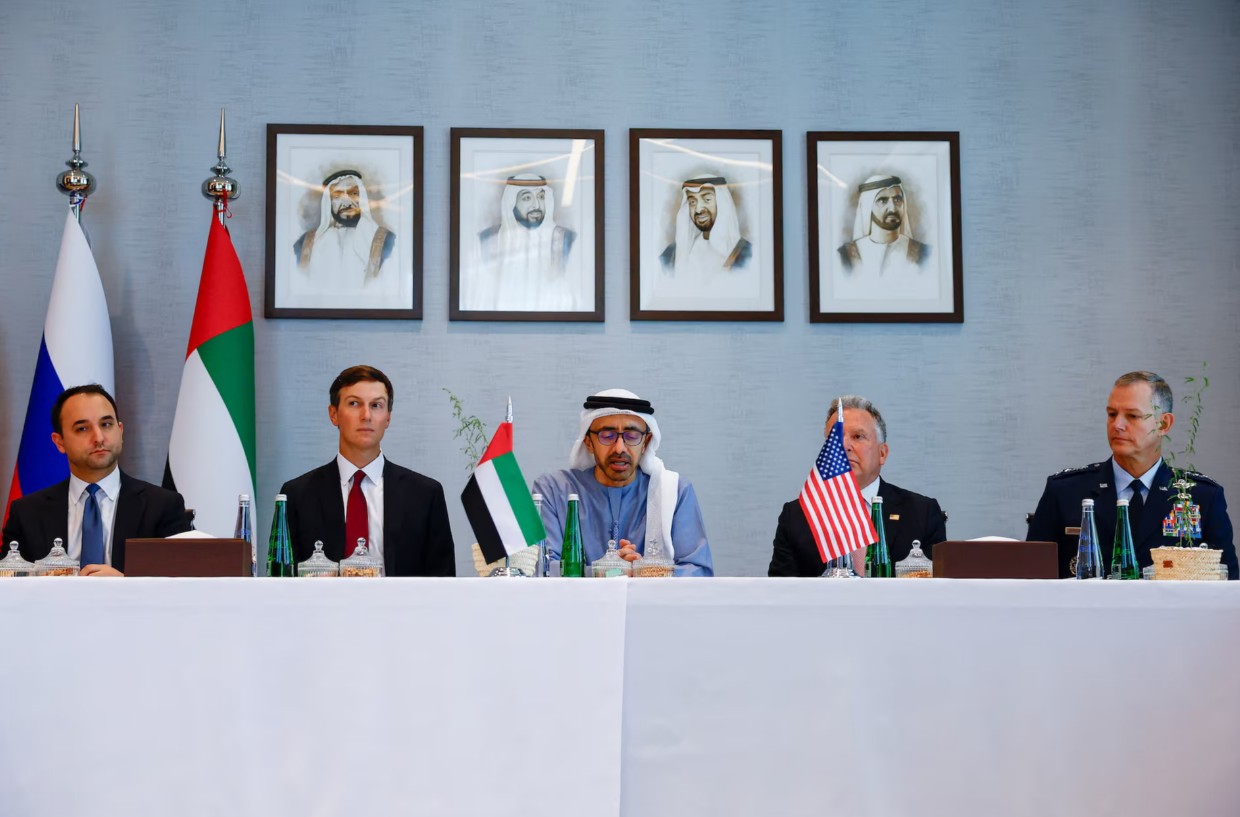
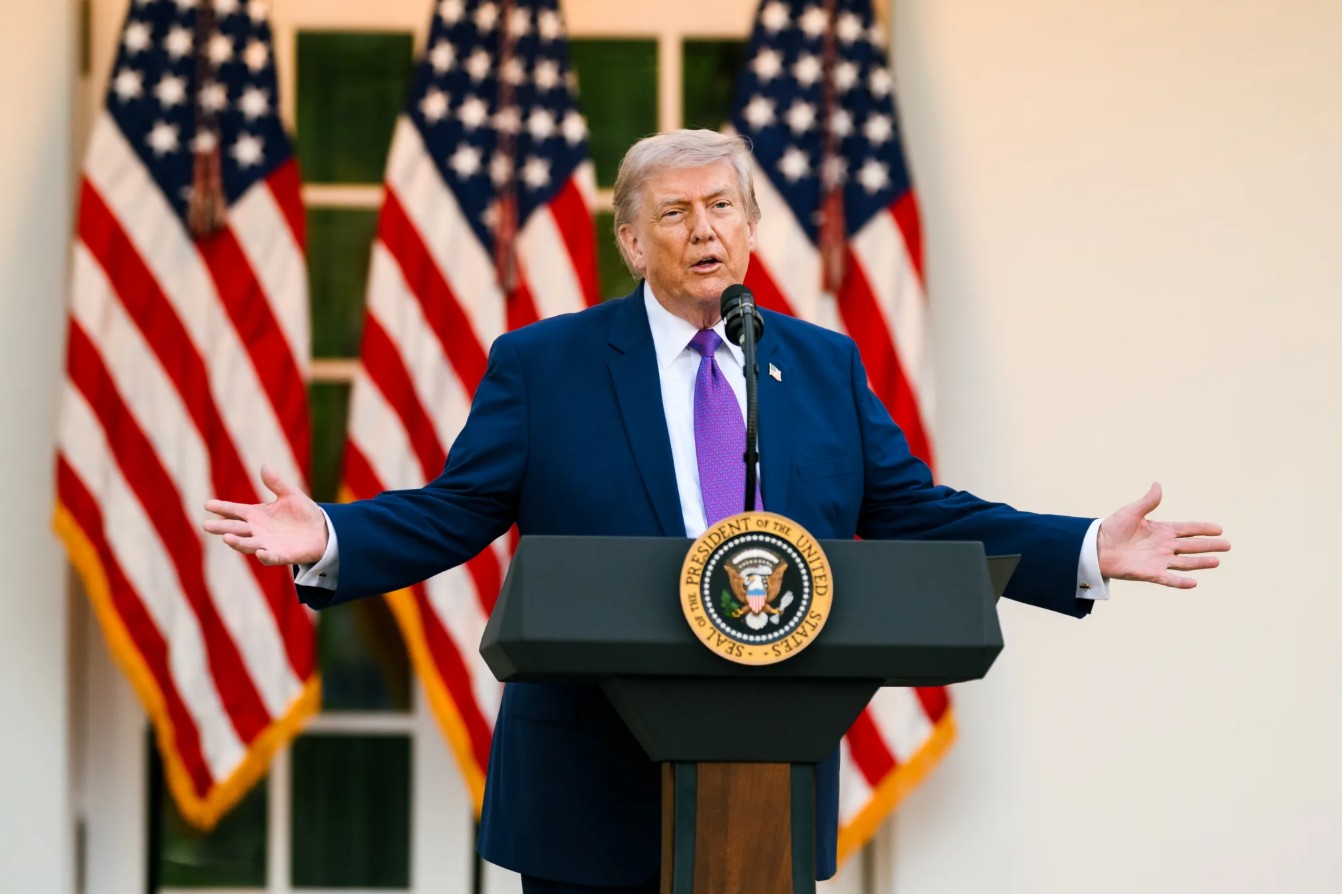
The conversation between Zelensky and Modi took place on the eve of the resumption of trilateral talks involving Russia, Ukraine and the US, which are to be held in Abu Dhabi on 10–11 November. The US delegation will be represented by special envoy Steve Witkoff and Donald Trump’s son-in-law Jared Kushner. Kyiv also plans separate consultations with European and NATO representatives who will be present on site.
It is worth noting that the conversation with Modi took place a week before Modi’s expected meeting with Donald Trump on the sidelines of the ASEAN summits in Manila, and at the end of the month Trump is expected to visit the APEC summit in Shenzhen, where Vladimir Putin may also be present. Against this backdrop, Indian diplomatic activity acquires additional weight.
Zelensky’s call to Modi is not just another round of diplomatic consultations but an attempt by Kyiv to enlist the support of an influential player who maintains working channels with both Moscow and the West.
India, consistently refusing to join Western sanctions and continuing to buy Russian oil, finds itself in a unique position: its mediation on the grain corridor issue could become a practical contribution to reducing global food tension, even if a full-format peace settlement is still far off. The key question is whether Delhi’s role will be limited to humanitarian logistics and “food diplomacy,” or whether New Delhi will try to convert its channels of influence into a larger political process, especially against the backdrop of Modi’s upcoming meetings with Trump and a possible contact with Putin.