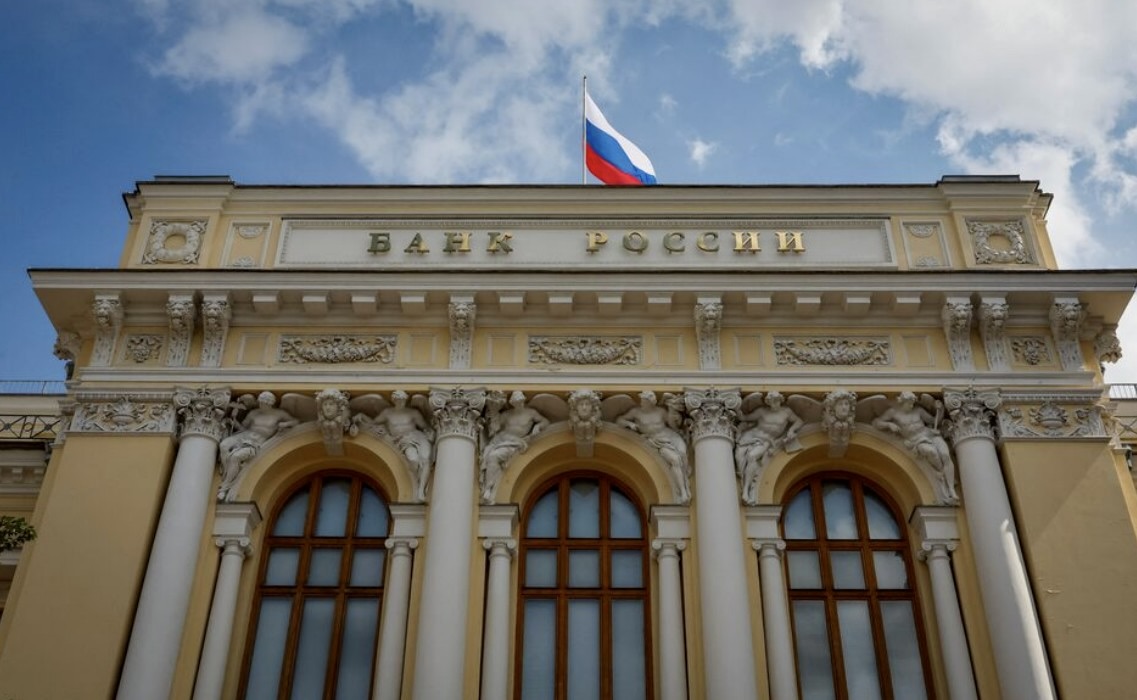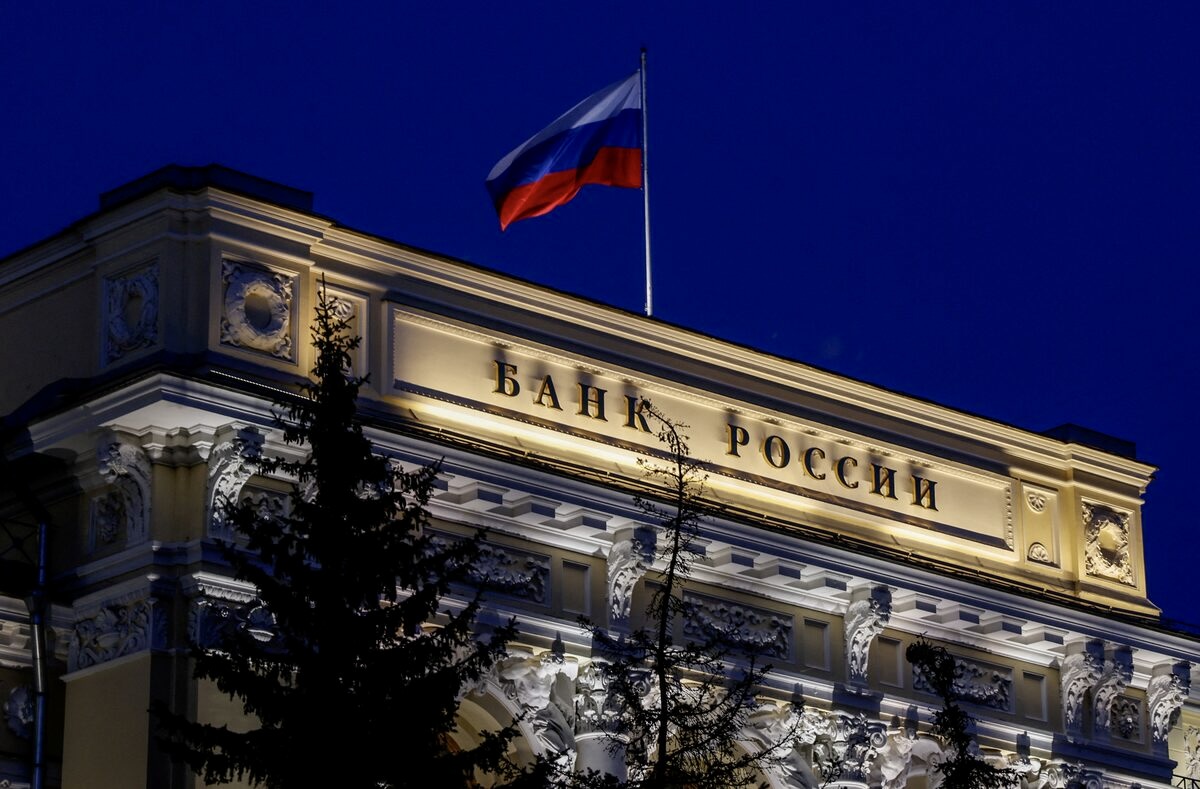
MOSCOW (Realist English). The Bank of Russia has unveiled its near‑term plans for tightening banking regulation, announced new services for the Faster Payments System (FPS), and for the first time set rules for margin trading in cryptocurrencies and digital rights.
The regulator continues its course of tightening requirements for the quality of loan portfolios while simultaneously expanding opportunities for retail investors and ordinary citizens.
Banking regulation: new requirements for reserves and capital
As the Bank of Russia reported on 30 July, in the third quarter of 2026 the regulator plans to finalise draft amendments to the loan provisioning procedure. The innovations are designed to improve the quality of banks’ loan portfolios, including by increasing requirements for the reliability of information used in financial analysis of borrowers.
Key changes:
- Only official documents will be used to verify individuals’ income.
- When assessing risks of large companies, the availability of IFRS financial statements will be taken into account.
- Requirements for banks’ internal capital adequacy assessment procedures (ICAAP) will be updated. The ICAAP add‑on will become part of the minimum capital adequacy ratios and will be more differentiated – ranging from 0 to 5%. The changes are expected to take effect from January 2027.
In addition, the regulator plans to discuss with the banking community a possible framework for a new foreign currency liquidity ratio, designed to encourage banks to build up a buffer of such liquidity in advance to cover potential outflows.
Among already implemented initiatives:
- a new concept for regulating credit concentration risk has been published;
- a report with a refined methodology for assessing banks’ financial position has been presented;
- a report with new requirements for the minimum capital of banks has been published;
- a concept for regulating subordinated instruments has been presented.
Expansion of the Central Bank’s powers
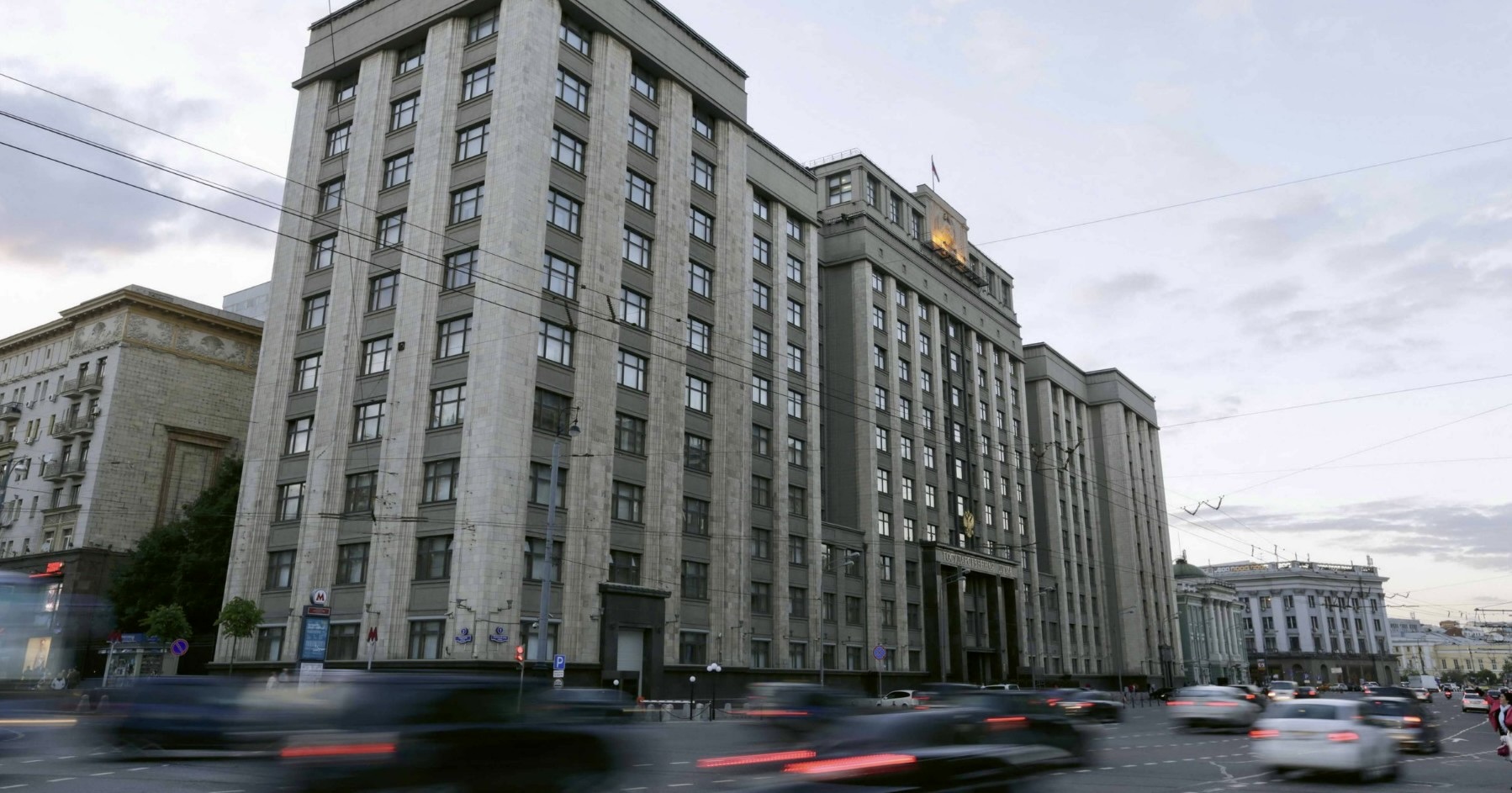
On 23 July 2026, deputies and senators submitted to the State Duma a bill that expands and details the Bank of Russia’s powers in the areas of risk management, capital control and banking regulation.
The regulator will be able to differentiate requirements depending on the type of licence, the scale of operations and the systemic significance of a credit institution, as well as set individual limit values for mandatory ratios.
Extension of support measures
Earlier, in December 2025, the Bank of Russia announced the extension of certain support measures for banks, the validity of which expires in 2025, until 31 December 2026.
These include the right not to disclose information sensitive to sanctions risks, as well as the possibility for banks not to take into account certain regulatory requirements when lending to businesses in the new constituent entities of the Russian Federation.
Faster Payments System: new services for citizens
The Bank of Russia has announced an expansion of the Faster Payments System (FPS) functionality. The corresponding Central Bank directive has been registered by the Ministry of Justice.
C2G payments – paying for government services via FPS
Through the FPS, it will become easier to pay for kindergartens, clubs and sections, taxes and fines, as well as make other payments to the state (C2G payments). Banks will be obliged to provide clients with this capability on portals of state and municipal services, on websites of relevant departments, and at service points of budget organisations.
Implementation timelines:
- for the largest credit institutions – from 1 April 2027;
- for banks with a universal licence – from 1 October 2027.
Importantly, C2G payments via the FPS are completely free for citizens. Banks also do not pay commissions to the regulator in this case.
Cash‑in: depositing cash through any ATM
In addition, the FPS has introduced a cash‑in service, which allows cash to be deposited through an ATM of one bank and credited to an account in another bank. Banks will decide independently whether to offer this service. The service will become available to individuals from 1 October 2026.
New tariffs and limits
From 27 March 2026, new FPS parameters came into effect: the monthly limit for free transfers between individuals was set at 100,000 roubles.
Margin trading in cryptocurrency and digital rights
The Bank of Russia has for the first time defined rules for margin trading in cryptocurrencies and digital rights. The regulator has established requirements under which brokers will be able to accept cryptocurrencies and digital rights as collateral for margin positions, and their clients will be able to conduct short sales.
Who will be able to trade
Both qualified and non‑qualified investors will be able to enter into margin transactions. For non‑qualified investors, transactions in cryptocurrency will be subject to limits set by the Bank of Russia. The annual limit is 300,000 roubles per intermediary. Mandatory testing is also provided for non‑qualified investors.
How margin trading works
Cryptocurrencies and digital rights have been added to the list of assets for which risk coverage ratios are calculated, alongside securities, precious metals and foreign currency. Risk coverage ratios define the boundaries within which a broker can execute client transactions using borrowed funds.
The document introduces four key blocks of rules:
- Requirements for admission as collateral – a broker will be able to accept cryptocurrency or digital rights as collateral only if the instrument is admitted to trading on a Russian exchange.
- Requirements for client risk coverage ratios – to control leveraged trading risks on digital assets, standard broker ratios (NPR1 and NPR2) will apply.
- Procedure for closing positions – forced closure of margin transactions by the broker must be carried out strictly through untargeted orders.
- Uniformity criteria – the regulator has set parameters by which digital assets are considered identical and aggregated into a single position.
Effective dates
Margin trading in cryptocurrencies becomes possible under the law on comprehensive regulation of digital currencies and digital rights, which comes into force on 1 September 2026. The draft directive retains the logic of the current margin trading regulation (Bank of Russia Directive No. 6681‑U) but adapts it to the specifics of the digital market.
Operations with digital currencies will be permitted for exchanges, exchange offices and depositories holding the relevant licence.
What’s next?
The Bank of Russia continues to tighten banking regulation while simultaneously expanding infrastructure capabilities for citizens and legalising the circulation of digital assets. The new provisioning rules and the foreign currency liquidity ratio are intended to strengthen the banking sector’s resilience, while the FPS and margin trading in cryptocurrencies open new horizons for retail investors and ordinary citizens.
Key dates: 1 October 2026 – launch of cash‑in in the FPS; 1 September 2026 – entry into force of the digital currency regulation law; January 2027 – new loan provisioning requirements.
Western expert opinions
Industry publications have received the Central Bank’s decision to allow margin trading in cryptocurrencies as an important step toward the institutionalisation of Russia’s digital market.
From 1 September 2026, an organised crypto‑asset market will begin operating in Russia. Analysts note that margin trading will allow investors to trade not only with their own funds but also using borrowed broker funds.
According to BitMedia, the Central Bank has authorised margin trading in cryptocurrencies for all investors. Brokers will be able to accept digital assets as collateral, with limits for non‑qualified investors.
At the same time, foreign experts point to risks: margin trading carries the possibility of amplified losses, and crypto‑market liquidity remains insufficient for large positions. As Cointelegraph notes, margin trading in cryptocurrencies “could become the riskiest investment strategy,” especially for non‑qualified investors.