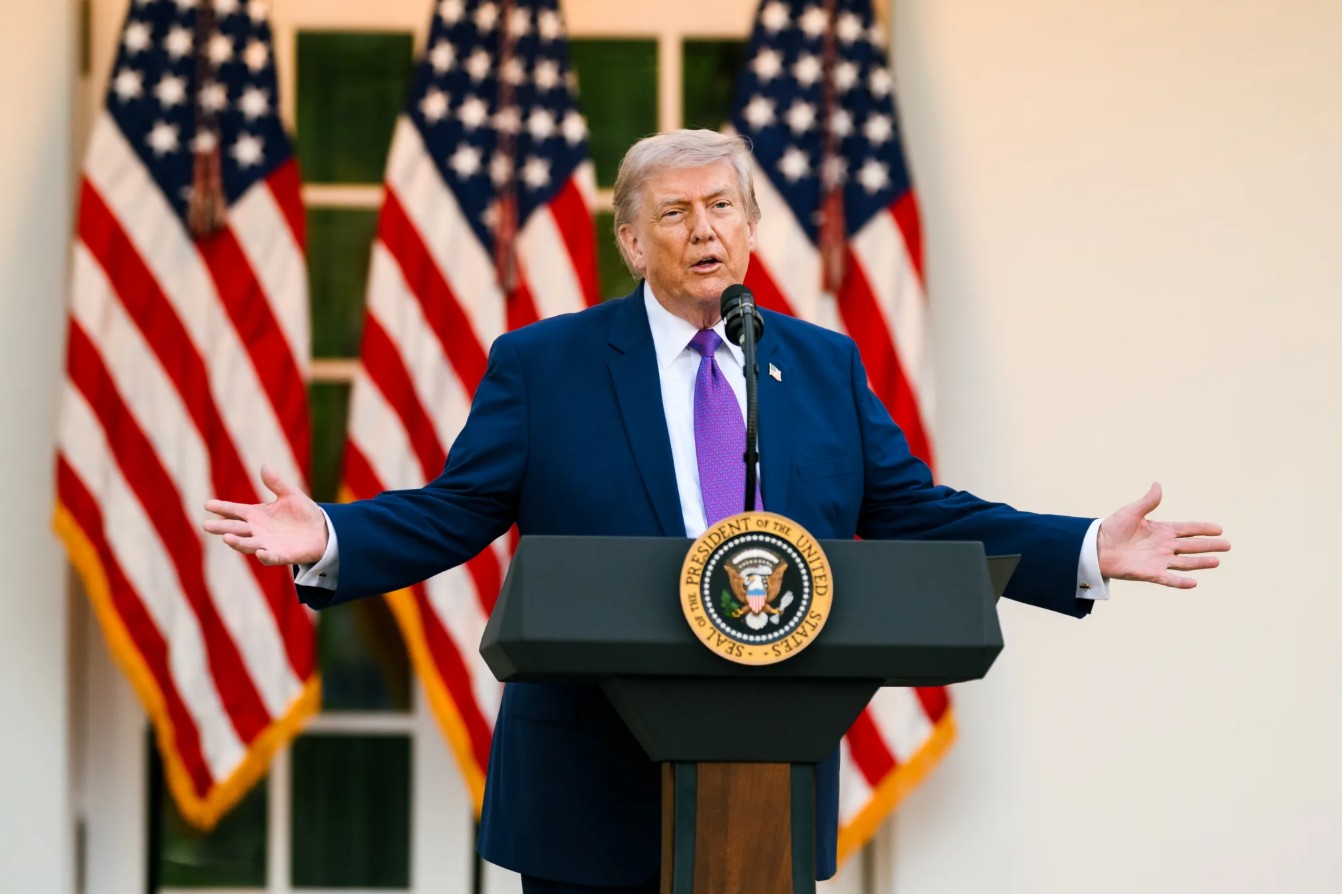
WASHINGTON (Realist English). Trump’s meeting with the Qatari prime minister comes amid intensified diplomatic efforts after the US midterm elections, which, by the admission of the president himself and Vice President JD Vance, were overshadowed by the unpopular war with Iran. The vice president will also hold a separate meeting with the Qatari leader, a US official said.
Positions of the parties: the gap remains
Iran insists that the lifting of sanctions and an end to the war are preconditions for starting negotiations on its nuclear programme. Tehran is promoting a “two-day” ceasefire plan which, according to the Iranian Foreign Ministry, remains valid but requires Washington to fulfil three conditions: lifting sanctions, ending the naval blockade and ceasing hostilities.
The United States, in turn, insists that Iran’s nuclear programme be discussed from the very start of negotiations. Rubio described Iran’s demands as “unacceptable” and, in some cases, “outrageous, absurd and completely unrealistic.” At the same time, Trump said a resumption of the war is “highly unlikely” if talks lead to a durable agreement, but warned that the US has identified additional targets, including bridges, in case hostilities resume.
War continues despite diplomacy
Diplomatic efforts have not stopped the fighting. According to Iranian state media, overnight on 9 November the US struck Qeshm Island.
Iran, for its part, attacked tankers in the Persian Gulf and the Strait of Hormuz, and its Houthi allies in Yemen struck Saudi Arabia. This means that even amid negotiations the sides continue to exchange blows, undermining confidence in the possibility of rapid de-escalation.
Qatar’s role and the influence of the elections
Qatar plays a central mediating role, conveying proposals and trying to bring positions closer on Iran’s nuclear programme and the conditions for ending the conflict. However, Iranian Foreign Minister Abbas Araghchi said that the results of the US midterm elections had suspended the work of the mediators. Qatar denied reports that the talks had failed and confirmed that efforts were continuing.
The domestic political backdrop in the US is increasing pressure on Trump. The war with Iran, which began in late February, became one of the factors in the Republican defeat in the elections: according to polls, 34% of voters called it extremely important in their vote. Trump himself acknowledged that the war influenced the result but said he would do the same again.
Trump’s meeting with the Qatari prime minister is not a breakthrough but an attempt to keep the diplomatic channel open at a time when fundamental disagreements remain insurmountable.
Tehran demands an end to the war and the lifting of sanctions before negotiations on the nuclear programme, whereas Washington insists on discussing the nuclear issue from the very start. Until this gap is bridged, any high-level meetings will merely sustain a fragile process but will not bring an agreement closer.
The key question is whether Trump is ready to make concessions on sanctions and the blockade for a deal he could present as a diplomatic victory after an electoral defeat, or whether he will prefer to maintain a hard line, risking further escalation.