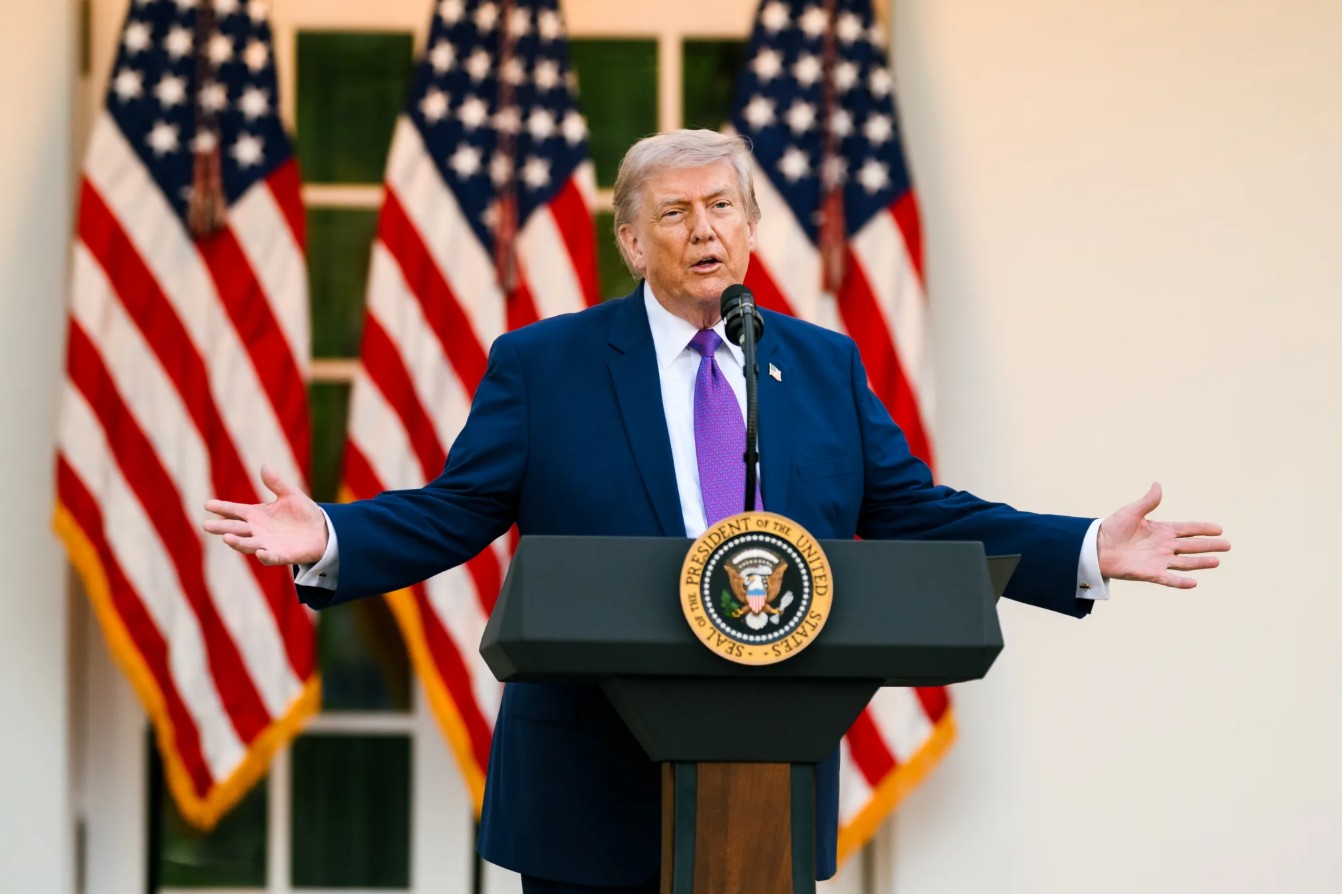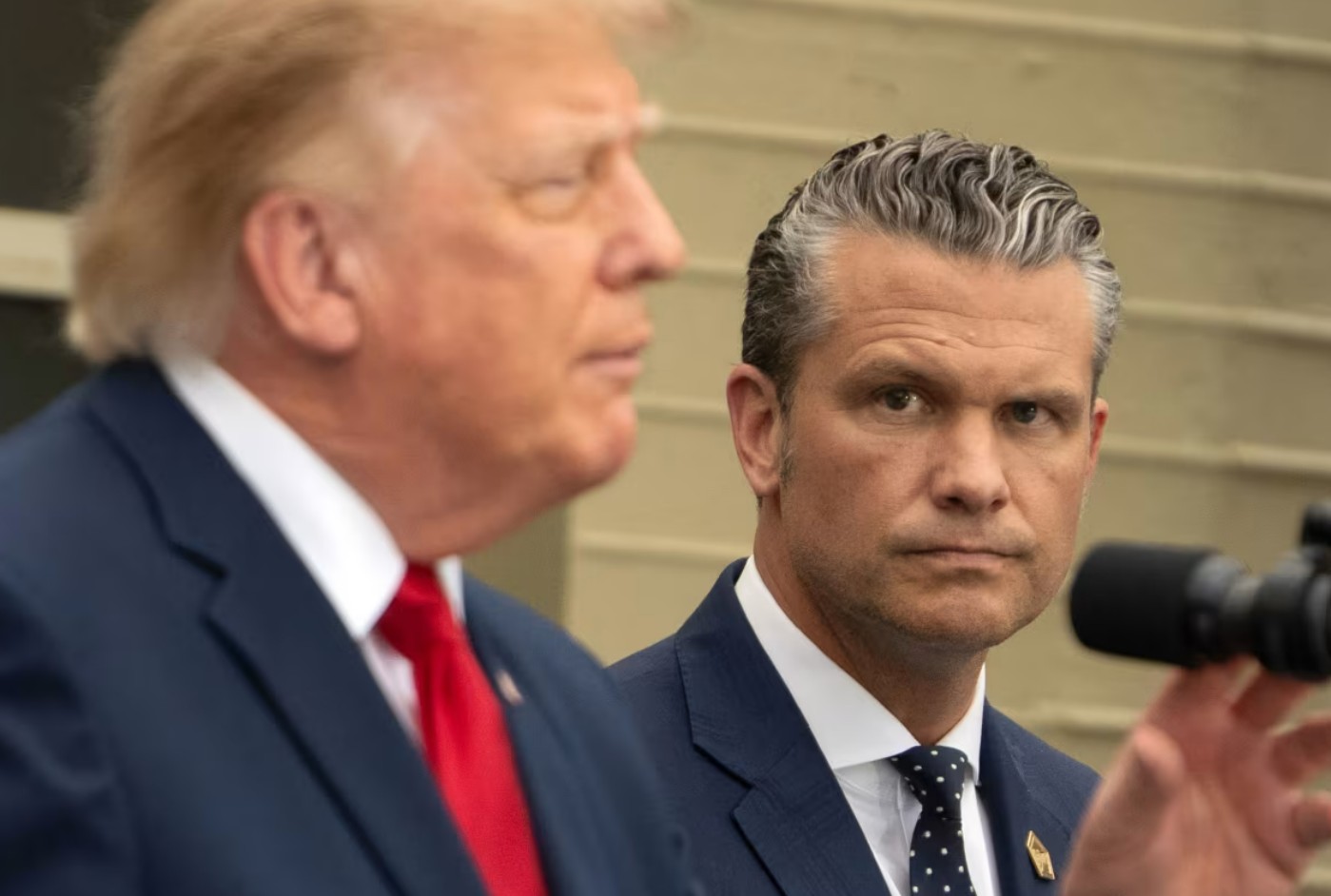
WASHINGTON (Realist English). On 9 November, Trump delivered his most decisive defense of Hegseth to date — just hours after Republican Congressman Thomas Massie introduced eight articles of impeachment against the Pentagon chief on the House floor. The president called Massie a “cold loser” and said he would stand by Hegseth even if the House votes to impeach.
Reason one: dismissal would mean admitting a mistake
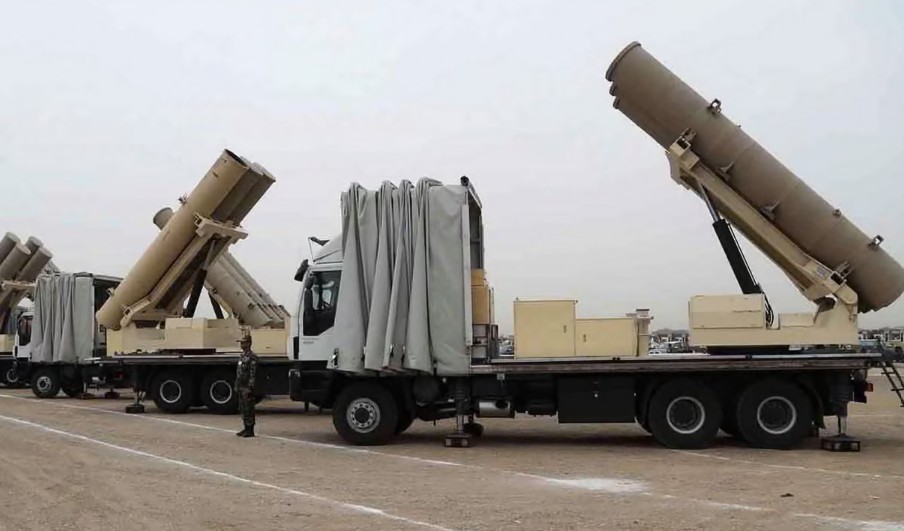
The main political motive, according to CNN, is that Hegseth is the most ardent supporter of the war with Iran in the administration. “Firing him now would mean admitting that the war, for which Hegseth was the chief enthusiast, was a mistake,” the network notes. A resignation would also undermine Trump’s attempts to present the conflict — at best unfinished, at worst strategically failed — as a victory.
Trump has already publicly called Hegseth “one of those most responsible for the war,” while at the same time demanding that he not be impeached. This wording exposes the dilemma: the president cannot simultaneously hold the secretary responsible for the war and protect him from the consequences.
Reason two: Hegseth is the most “Trumpian” cabinet member
According to CNN, Hegseth has most consciously copied Trump’s political style: he expelled the press from the Pentagon, wages “culture wars” and a campaign against “woke,” and sees impeachment as a badge of honor. If Trump rejects the man who renamed the Pentagon the “Department of War,” he would effectively betray his own brand.
Reason three: fear of Congress and the “lame duck”
The situation is complicated by the arithmetic of Congress. From January 2027, Democrats will control both chambers, and several politicians have already stated their intention to pursue Hegseth’s impeachment.
Democrat Jason Crow promised to “go after Hegseth day and night,” calling him “incompetent and corrupt.” At the same time, some Republicans leaving Congress after the election defeat may try to “make an example” of Hegseth before they are replaced at the start of next year.
Reason four: a possible replacement is already being discussed
Despite public support, according to media reports, Trump has already polled advisers on the advisability of keeping Hegseth, and the Pentagon and Capitol Hill are naming possible successors: Florida Governor Ron DeSantis, US Ambassador to the UN Mike Waltz, Senator Joni Ernst and former Secretary of State Mike Pompeo. One source noted that a replacement must be confirmed by the Senate before Democrats take control of Congress in January.
Trump has found himself in a trap he created himself. Firing Hegseth would mean admitting the failure of the Iran campaign and his own political instincts, which after the electoral rout looks like capitulation. Keeping him means continuing to be associated with an unpopular war and risking that Congress will still achieve impeachment, but without the president’s involvement.
For now, Trump is choosing the latter, but the very existence of discussions about a replacement and the names of potential successors show that the decision may be reconsidered. The key question is what will happen first: Hegseth loses his post under pressure from Congress, or Trump decides that the “ratings bump” from a dismissal outweighs the costs of loyalty.