LONDON (Realist English). The US-Iran war, now in its sixth month, is grinding toward a protracted stalemate that increasingly resembles the conflict in Ukraine — with neither side able to achieve a decisive military breakthrough, the Strait of Hormuz effectively paralysed, and Washington pivoting from kinetic warfare to economic pressure in a bid to force Tehran’s capitulation.
The starkest warning comes from Jacob Meldgaard, chief executive of Danish tanker group Torm, which operates more than 100 tankers. In an interview with the Financial Times, Meldgaard said global markets are “underestimating the possibility of a prolonged stalemate” — one that could last “months or even years”.
“In 2022, a lot of people, especially in the US, for the first six months said the war in Ukraine will stop very soon because it makes no sense and it is inefficient for Europe not to get energy from Russia,” Meldgaard told the FT. “Clearly people misread how long that situation could last”.
“The most likely scenario right now is that Trump and the US administration have no other solution than continuing, and nor does Iran and the IRGC,” Meldgaard said. “The Gulf leadership has realized they need to prepare themselves for a prolonged situation that lasts not days or weeks but months or years”. He also dismissed any swift return to normalcy: “With the US acting the way it is, I think it is a dream world to imagine the world returns to the way it was 10 years ago in the foreseeable future”.
The Ukraine Parallel: A War of Attrition
The analogy between the Iran war and the Ukraine conflict has been drawn by multiple analysts. The Washington Institute noted as early as March that “what has transpired looks more like Russia’s war in Ukraine than Washington’s quick intervention in Venezuela,” with “a war of attrition and possible stalemate similar to the conflict in Ukraine”. Iran has employed asymmetrical tactics — using cheap drones and missiles to exhaust enemy air defences — “not unlike Ukraine fighting a Goliath in the shape of Russia”.
The military front lines have been largely static for the past two months, with no daily bombing or shooting since July. Yet there is no peace either. The two sides remain locked in a standoff, with no full-scale peace talks scheduled. Iran’s military has reportedly restored its combat capabilities degraded during the war, reconstructing damaged weapons systems and importing new equipment from abroad.
The Strait of Hormuz: Paralysed and Blockaded
The strategic choke point remains the central battleground. Before the war, about eight Very Large Crude Carriers (VLCCs) passed through the Strait of Hormuz daily. Since July 7, that number has dropped to just two or three. On Tuesday, only five ships carrying primary goods crossed the waterway — far below the ten-day average of fifteen.
Iran insists it will not reopen the strait until the US meets its demands: lifting the naval blockade, ending the war, and returning to commitments under June’s Islamabad Memorandum of Understanding. Tehran has also signalled it intends to impose fees for use of the strait. Washington, meanwhile, has imposed a naval counter-blockade of Iranian ports.
The result, as Gulf News describes it, is an “unusual stalemate: Iran can disrupt Hormuz but cannot completely stop Gulf oil from getting out. The US can keep some oil moving but cannot restore normal shipping”. The very fact that some oil continues to flow — through US-protected passages, pipelines, ship-to-ship transfers and vessels attempting to conceal their movements — “could help explain why a conflict now deep into its sixth month remains so difficult to end”.
‘Economic D-Day’: Washington’s New Gamble
With the military campaign bogged down, the Trump administration has pivoted to what Treasury Secretary Scott Bessent bombastically termed “Economic D-Day” — a sweeping sanctions offensive aimed at the “economic asphyxiation” of Iran. The new measures target Iran’s digital assets, technology, gold, aviation and shipping sectors, while threatening secondary sanctions against countries that continue doing business with Tehran.
But Iran — which has weathered decades of sanctions — remains defiant. President Masoud Pezeshkian insisted Wednesday that “America will not achieve anything with economic pressure at this stage, just as it was unable to achieve anything in the war”. Officials say they have a two-year plan to counter the pressure.
President Donald Trump, asked how much time he was giving Iran for talks, told Al Jazeera: “I have no time schedule, none. I’m not in a hurry”. Israeli Prime Minister Benjamin Netanyahu dismissed any prospect of a deal, calling Iran’s leaders “savages”.
Shipping’s Reckoning: Higher Costs, Longer Routes, Record Profits
The shipping industry is bracing for a prolonged disruption. Torm estimates that maintaining pre-war oil volumes could require twice as many crude supertankers and three times as many large fuel tankers, because ships are being used less efficiently. Private tanker owners remain wary of risking crews, but Gulf national oil companies are expanding their fleets — “exports are an existential priority and they refuse to let Iran dictate whether their oil moves”.
The costs are staggering. War risk insurance for a large tanker transiting the strait has surged from 0.25% of the vessel’s value before the war to 10% — a single voyage now costs between $3 million and $10 million in insurance premiums alone. Despite this, Torm posted a record $338 million second-quarter profit as freight rates surged.
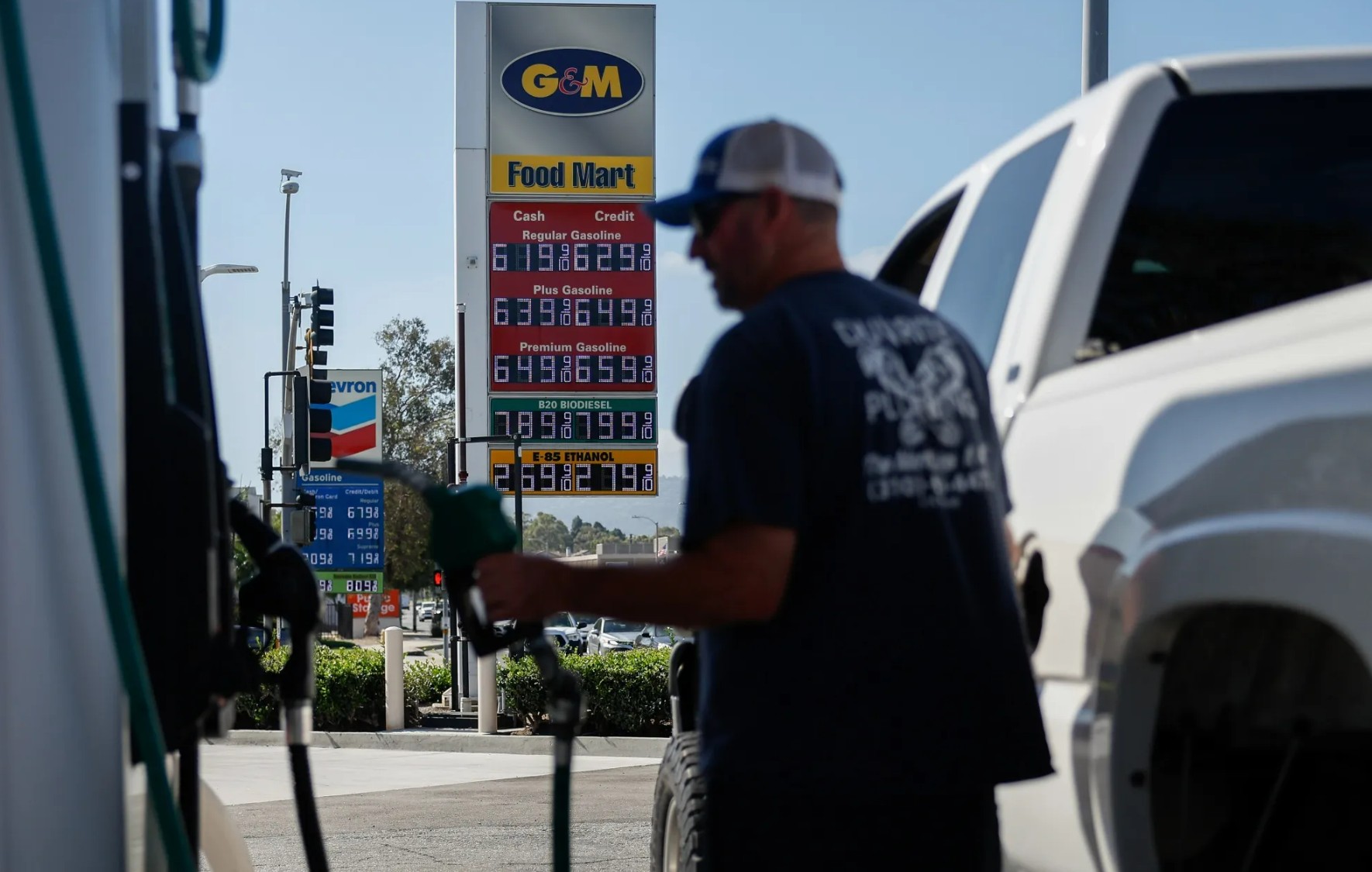
The economic fallout is spreading beyond the Gulf. British households will see energy costs rise 4% from October after regulator Ofgem announced a price cap hike driven by Iran war-related wholesale gas prices. Brent crude is trading near $94 a barrel.
An Ambivalent Outcome: Stalemate, Not Solution
Six months into the conflict, neither Washington nor Tehran appears to have a viable path to victory. The US cannot restore normal shipping through Hormuz. Iran cannot fully stop oil from leaving the Gulf. Military gains are impossible for either side. Economic attrition has replaced conventional military operations as the primary conflict mechanism.
Questions remain. Can economic pressure force Tehran to capitulate, or will it merely entrench Iranian defiance? Will the Iran-Oman talks on a temporary transit corridor produce a breakthrough, or are they another diplomatic mirage? And most importantly — as Meldgaard warns — is the world prepared for a conflict that could stretch not for days or weeks, but for months or years?
For now, the Iran war is following the grim trajectory of Ukraine: a conflict that began with expectations of a quick victory, descended into grinding attrition, and has settled into a stalemate that neither side can break. The shipping boss’s warning is clear: the markets that misread Ukraine in 2022 should not make the same mistake twice.
The war is not ending. It is merely entering a new, more prolonged phase.