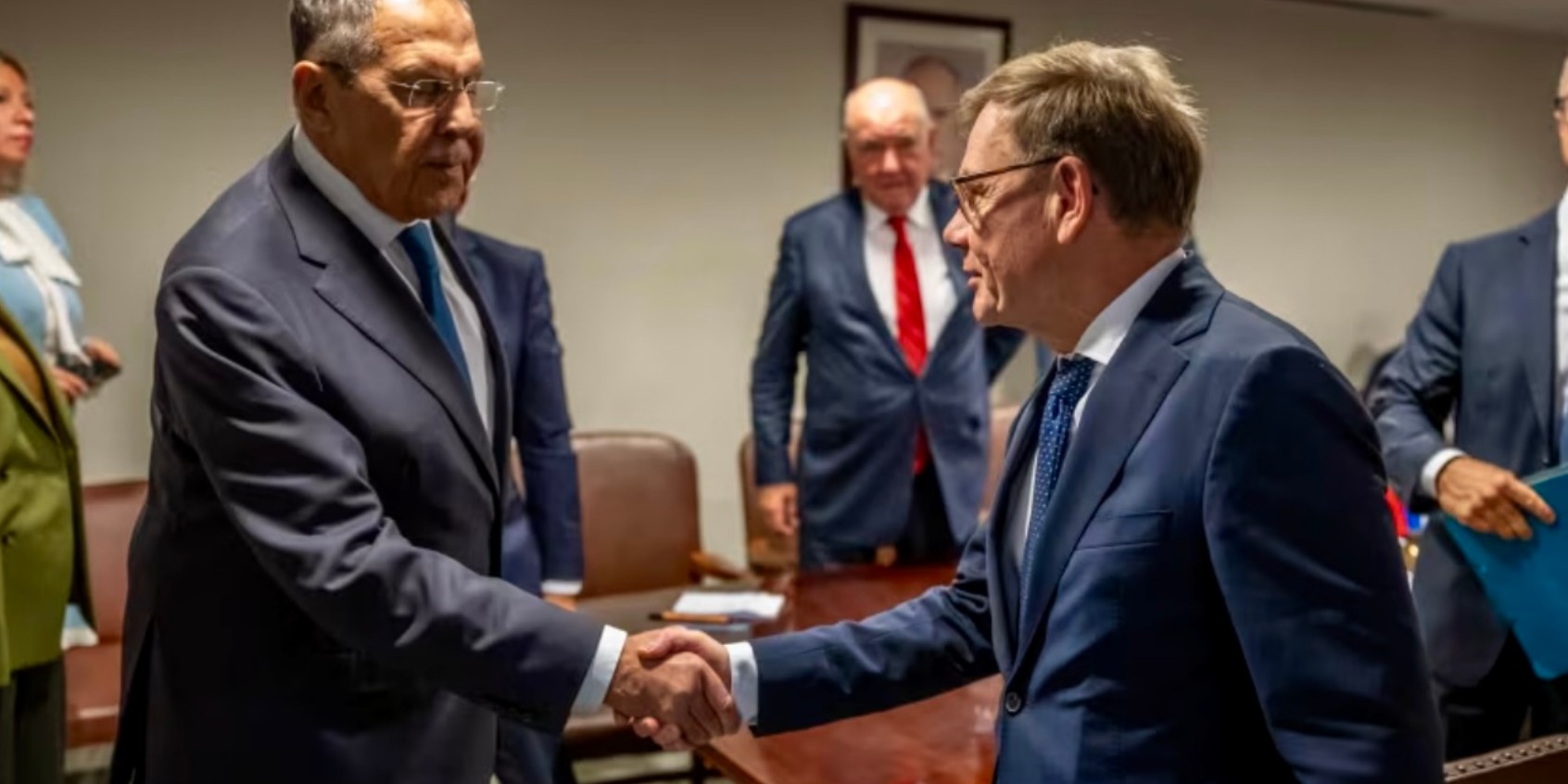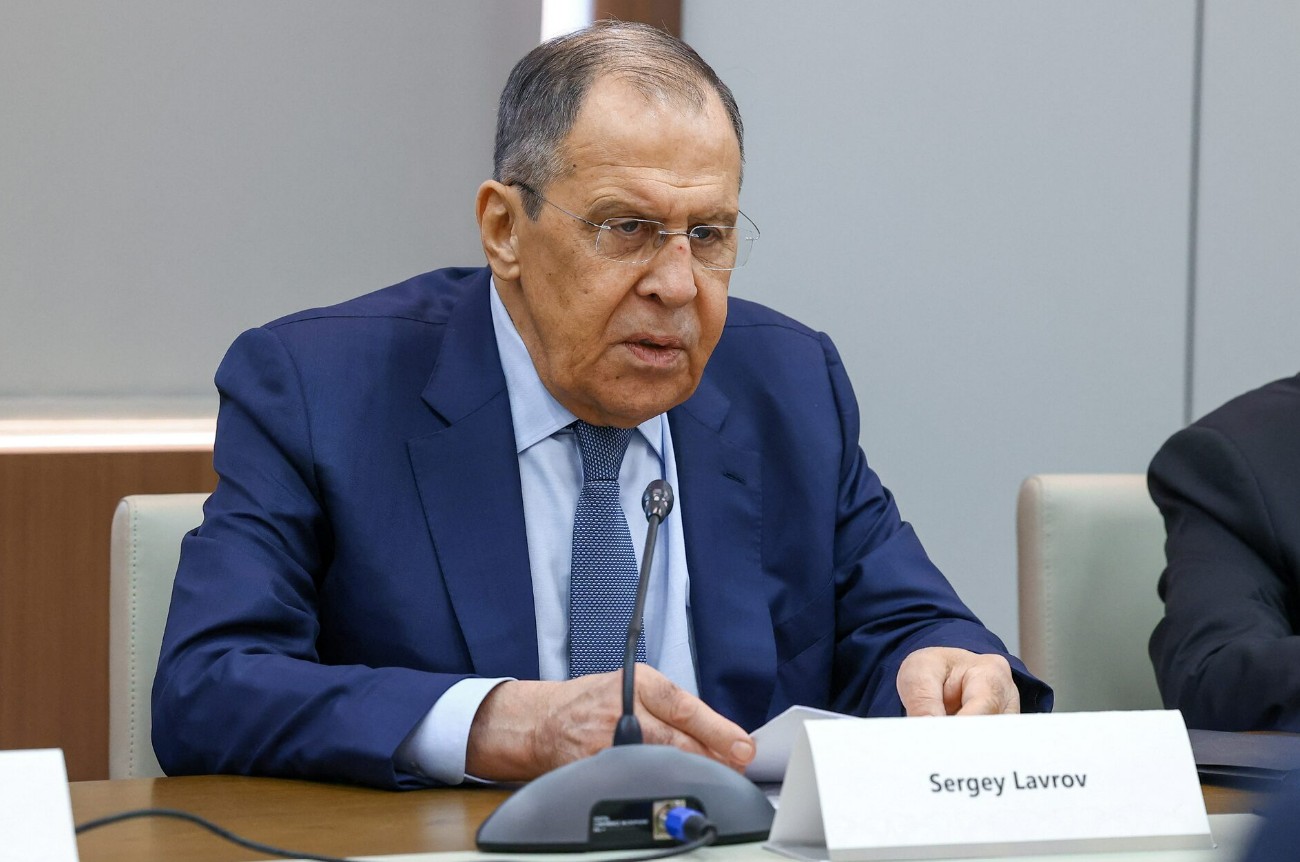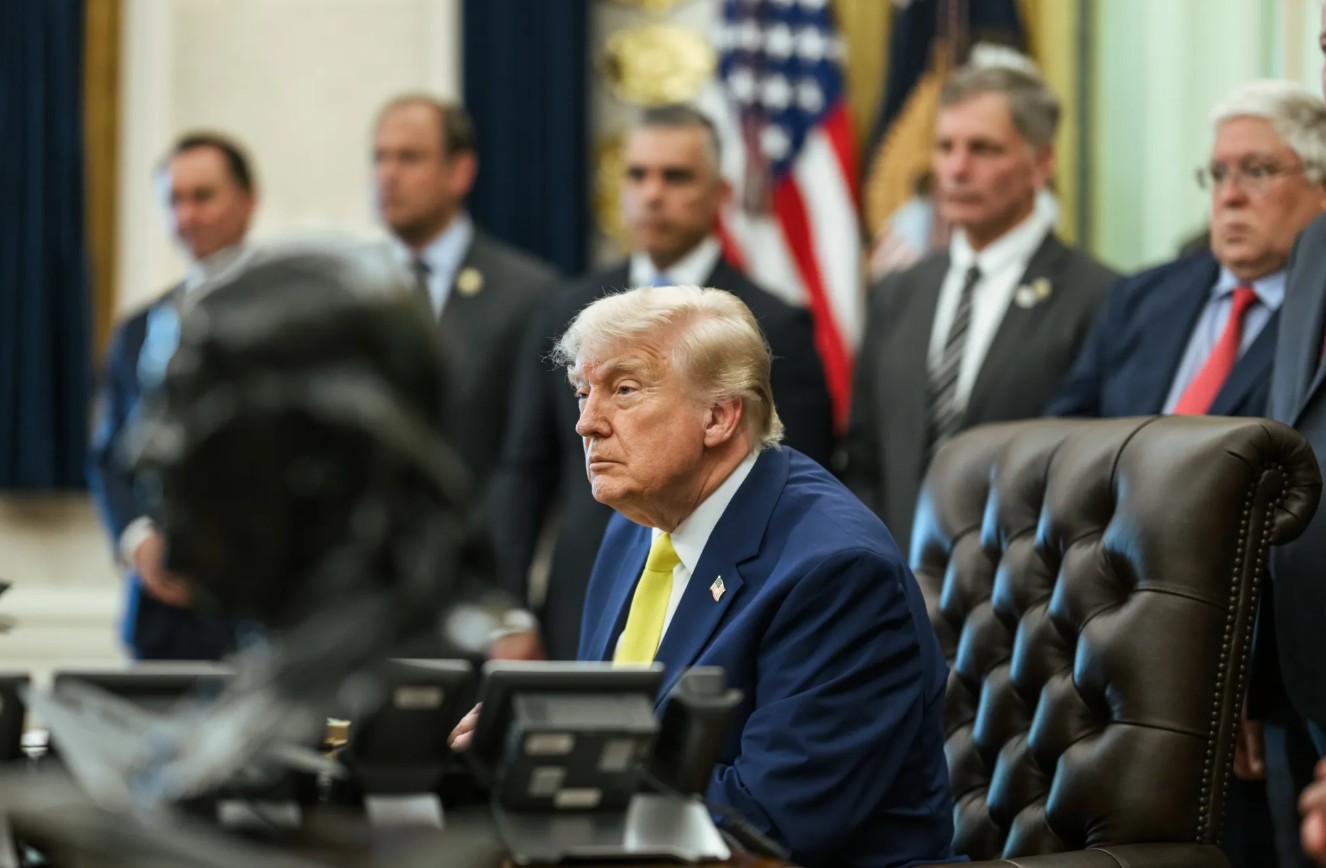
WASHINGTON (Realist English). On October 16, US President Donald Trump signed an executive order exempting most key provisions of the “Lindsey O. Graham Sanctions Against Russia and Iran Act” — which he himself had signed into law just a month earlier, on September 18 — from implementation. Suspended: the 500% tariff on Russian imports, the 100% tariff for the five largest buyers of Russian oil and gas, and a number of sanctions against the “shadow fleet” and related entities.
Legal basis: a law created to “punish Russia”
The law is named after the late Republican senator from South Carolina, Lindsey Graham. Graham, one of Washington’s most consistent supporters of Ukraine, died in July 2026. After broad bipartisan support in Congress, Trump signed the law on September 18. The key mechanism is “secondary sanctions”: punishing not only Russia itself but also third countries that continue to purchase Russian energy, with the aim of cutting off energy revenues that finance military operations.
The law was due to take effect on October 18 (30 days after signing). Under its provisions, 500% tariffs were to be imposed on Russian goods, 100% tariffs on the five largest buyers of Russian oil (China, India, Turkey, and others), and 100% tariffs on countries helping to circumvent sanctions.
Trump’s exemption: the law had a “loophole” for the president
Trump invoked Article 115 of the law, which allows the president to suspend the application of sanctions, restrictions, and tariffs provided he certifies to Congress that the exemption “is in the national interest of the United States.”
In the order, he wrote: “I hereby exempt from application the specified sanctions, restrictions, and tariffs provided for by the ‘Graham Law.’ I have submitted certification to Congress that this exemption is currently in the national interest of the United States.”
The White House did not explain in detail why the exemption serves the national interest. Its duration is not set, meaning Trump can restore these measures at any time, but they are not currently in effect. Previously imposed sanctions against Russia under other executive orders remain in force.
Immediate cause: the diesel deal and fuel price pressure
The immediate backdrop to the exemption was the diesel deal with Putin announced by Trump last week: Russia immediately supplies 300,000 tonnes of diesel fuel to the US and the global market, another 500,000 tonnes in November, then another 1 million tonnes, with the possibility of an additional 3 million tonnes. Trump’s goal is to lower US retail diesel prices before the November 3 midterm elections. Diesel is currently trading at historic highs, mainly due to energy tensions caused by the US-Iranian conflict.
If the tariffs and sanctions under the “Graham Law” had come into force, energy deals with Russia would have been subject to punitive tariffs, and the diesel deal could not have been executed. The tariff exemption essentially clears the way for the diesel deal.
Political reaction: criticism from both sides
The decision drew bipartisan criticism in Congress. On October 15 (the day before the exemption was announced), 20 senators from both parties sent Trump a letter demanding “full and faithful implementation” of the “Graham Law,” stating that the law “is crucial to forcing Putin to take peace negotiations seriously.” Five Republicans joined Democrats in condemning the diesel deal and demanding the revocation of the relevant permits.
Ukrainian President Volodymyr Zelensky, in an interview with Piers Morgan, said he felt “betrayed”: “This is more complicated than my emotions… our country must survive.” Democratic Congressman Ted Beyer accused Trump of “giving in to Putin,” and Senator Elizabeth Warren criticized the administration for “undermining Congress’s efforts to pressure Russia.”
What this means
Trump’s exemption exposed the structural contradiction of the “Graham Law”: Congress passed by an overwhelming majority a law described as “the toughest sanctions against Russia in history,” but built into it a provision allowing the president to unilaterally suspend its operation. The “national interest exemption” mechanism, designed by Graham himself to provide the president with diplomatic flexibility, is now being used to completely nullify the law’s key function.
The deeper problem is policy priorities. Six weeks before the midterm elections, the political weight of diesel prices outweighed the strategic logic of sanctions against Russia.
Trump chose the exemption in exchange for access for Russian diesel to the market, while simultaneously avoiding a tariff conflict with China, India, and Turkey — major buyers of Russian oil and important sources of American imports. The blowback effect of 100% tariffs on the US economy itself has already manifested in trade models.
But the cost is also obvious. The exemption sends Moscow a signal: the “switch” of American sanctions depends on the White House’s political calendar, not on the rigidity of the law. For Ukraine, which expects sustained US pressure, this is not just a policy shift but an expenditure of trust. For Congress, a sanctions law that the president can easily postpone has already largely lost its deterrent power.