TEHRAN (Realist English). On August 30–31, the six‑month war between the United States and Iran entered a new dangerous phase: US forces struck Iran’s Larak Island for the first time in a month, and Tehran responded with missile attacks on American bases in Jordan and the UAE.
The escalation came as Washington shifts its strategy, attempting to move from military action to economic strangulation. However, internal Pentagon divisions and allies’ reluctance to sever trade ties with Iran are casting doubt on the effectiveness of this approach.
The Strike on Larak: First in a Month
On August 30, US forces struck two Iranian missile launchers on Larak Island in the Strait of Hormuz. US Central Command (CENTCOM) described the action as “limited and precise,” targeting Islamic Revolutionary Guard Corps (IRGC) units that, according to US intelligence, were preparing to lay naval mines in the strait.
This was the first known US military action against Iran since late July. Unofficial sources reported two killed and two wounded in the strike. US Defence Secretary Pete Hegseth had previously warned that Washington did not rule out “kinetic strikes” in the strait or off Iran’s coast — and those warnings have now been put into practice.
Iran’s Response: Missiles on Bases in Jordan and the UAE
Tehran responded immediately. On the night of August 31, the IRGC launched missile strikes on US military facilities in Jordan and attacked the Al‑Minhad base in the UAE with dozens of drones. According to Iranian military sources, these strikes were “defensive and deterrent” in response to the Larak attack.
In addition, the IRGC claimed to have shot down a US MQ‑9 drone over the Strait of Hormuz. The Iranian government called the US strikes “an act of aggression” and vowed to “respond decisively to every military aggression by the enemy.”
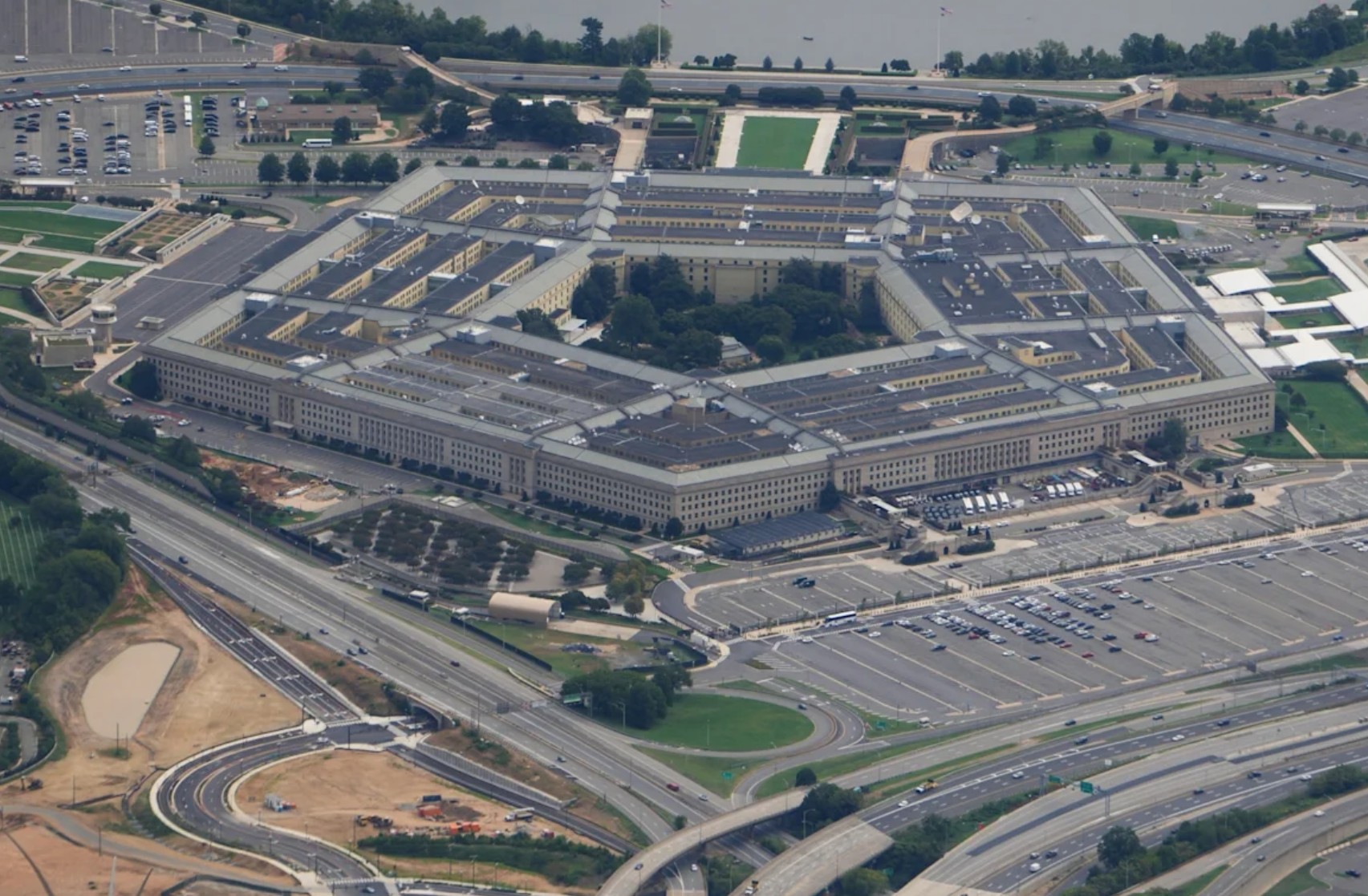
Internal Pentagon Crisis: War Is “Unsustainable”
Concurrent with the battlefield escalation, a crisis is deepening within the US military command. Several senior officers have warned the Defence Secretary that continuing large‑scale operations against Iran is “unsustainable.”
According to sources familiar with classified Pentagon assessments, the protracted war is draining US military resources and undermining America’s ability to protect its global interests.
The US Navy, according to military estimates, could face a shortage of ships in the event of a new conflict, as only a quarter of its destroyers are currently ready for immediate deployment.
More than 50,000 US service members have been on heightened alert for months. Commanders of European, Pacific and Southern Commands, along with the Chief of Naval Operations, have expressed disagreement with Pentagon plans, warning that redeployment of forces to the Middle East weakens US defences in other regions.
From Strikes to Sanctions: Washington’s Strategic Pivot
Two weeks before the Larak strike, US Secretary of State Marco Rubio informed allies that Washington did not plan new major military operations against Iran, at least “in the near future.”
Instead, the Trump administration is doubling down on economic pressure: a naval blockade, new sanctions against 60 Iranian organisations and vessels, and weekly expansions of sanctions lists against banks working with Tehran.
Treasury Secretary Scott Bessent threatened Iran with “economic strangulation.” However, as Bloomberg notes, Washington’s attempt to organise an “economic offensive” has proven largely ineffective due to China’s stance and allies’ reluctance to sever trade ties with Iran.
Public Opinion and Political Risks
A Reuters/Ipsos poll conducted in late August showed that only 31% of Americans approve of military strikes on Iran, compared with 37% in March. The declining support creates additional political risks for the Trump administration ahead of the November midterm elections.
Escalation as a Symptom of Strategic Deadlock
The Larak strike and the subsequent exchange of fire are not merely another round of violence but a symptom of a deep strategic crisis in which both sides find themselves.
Washington is trying to shift from military action to economic strangulation, yet continues to carry out targeted strikes whenever it believes Iran has crossed “red lines.” Tehran, in turn, responds symmetrically, demonstrating that it has no intention of yielding even in the face of sanctions pressure.
The Pentagon, as leaks indicate, recognises that a protracted war with Iran is unsustainable for US armed forces stretched thin across the globe. However, the Trump administration, bound by campaign promises and the need to project strength, cannot afford to appear weak — hence the Larak strike, intended to show that “Economic D‑Day” does not mean abandoning military force.
Open questions remain. How much longer will this escalation cycle continue, with each side trying to prove its resolve while neither is ready for full peace? Can Washington turn the tide through sanctions, or will economic pressure only harden Tehran’s resolve? And most importantly — could the new escalation lead to full‑scale war that neither side appears to want, yet both are gradually approaching?