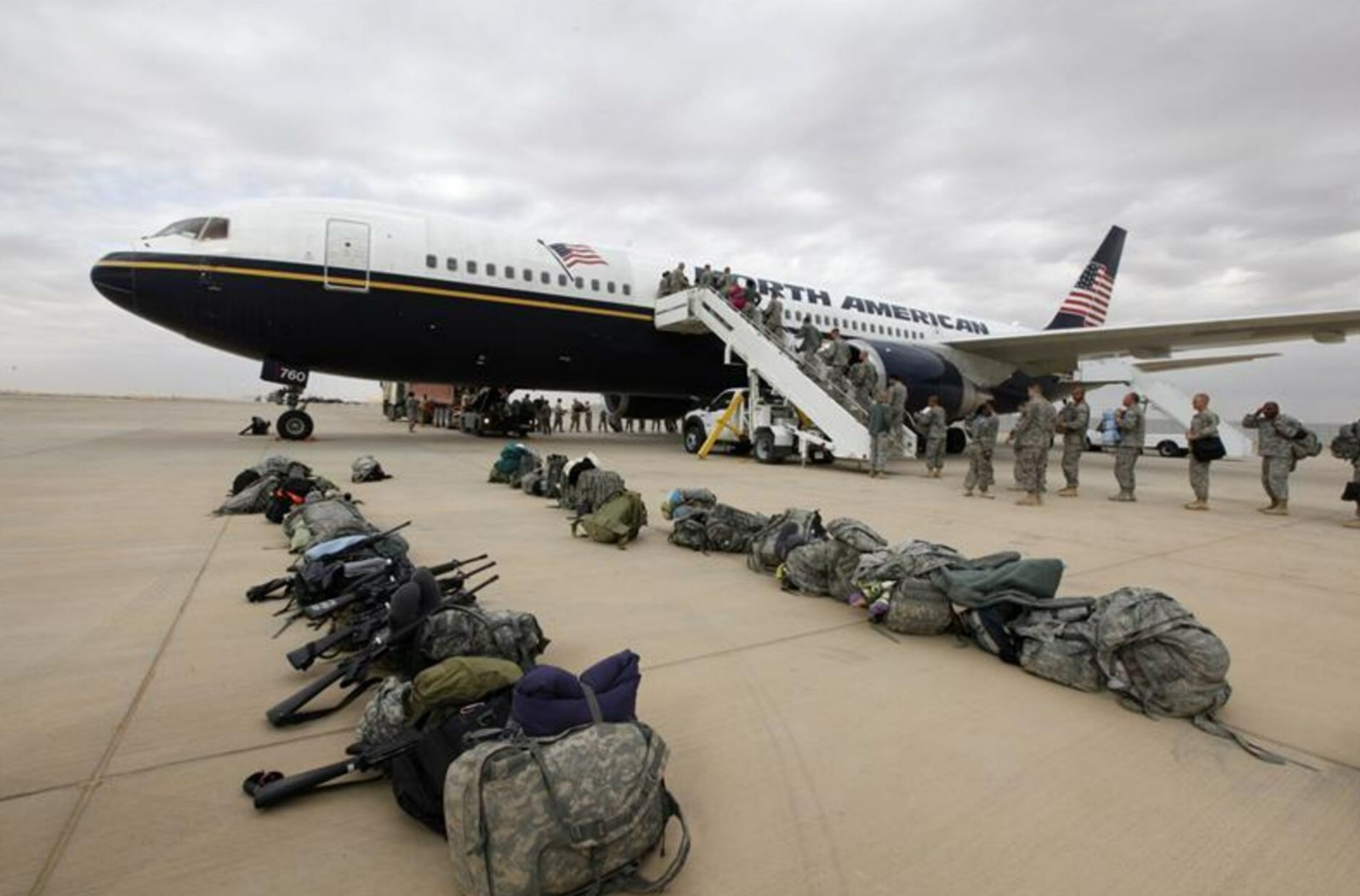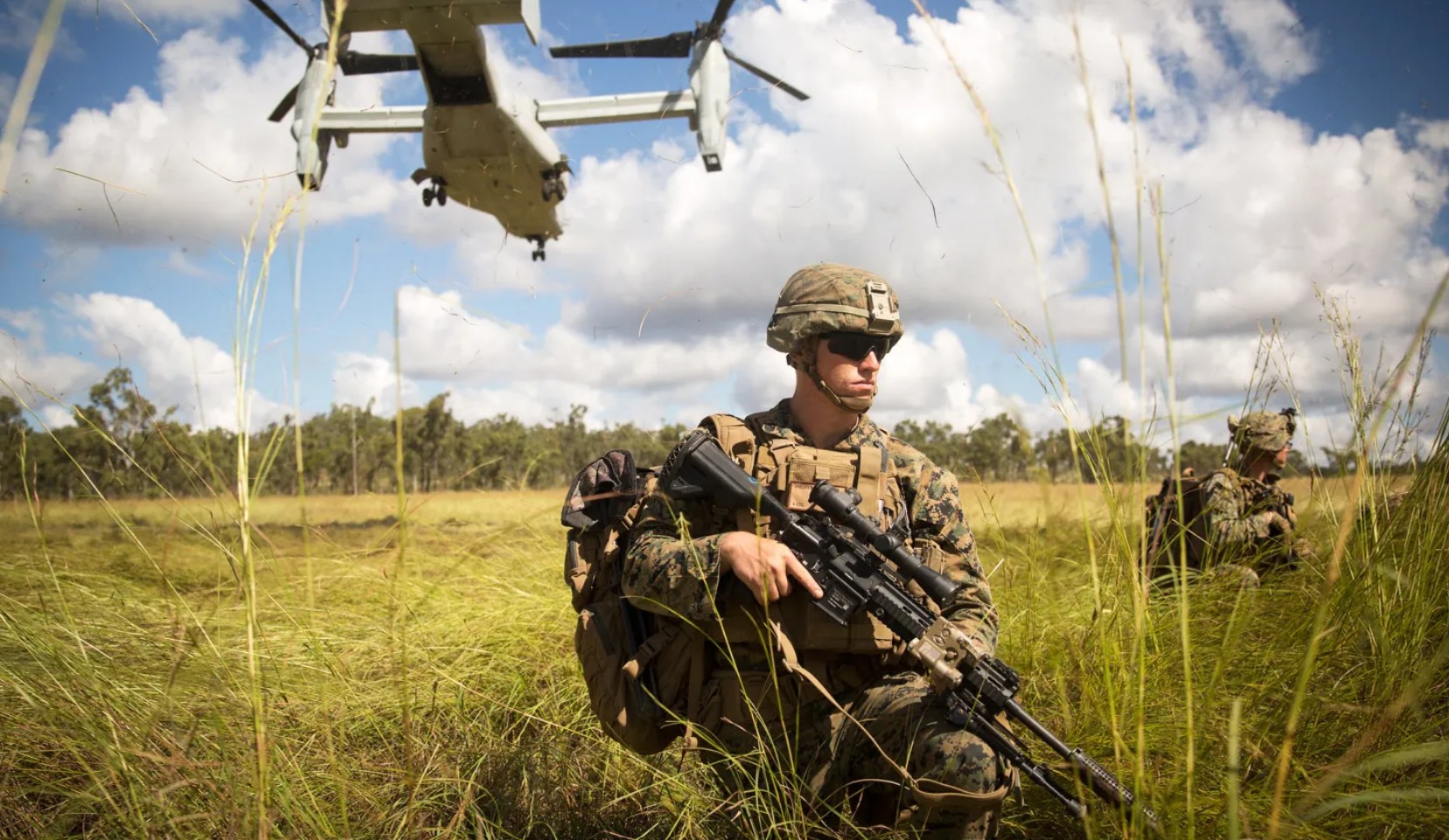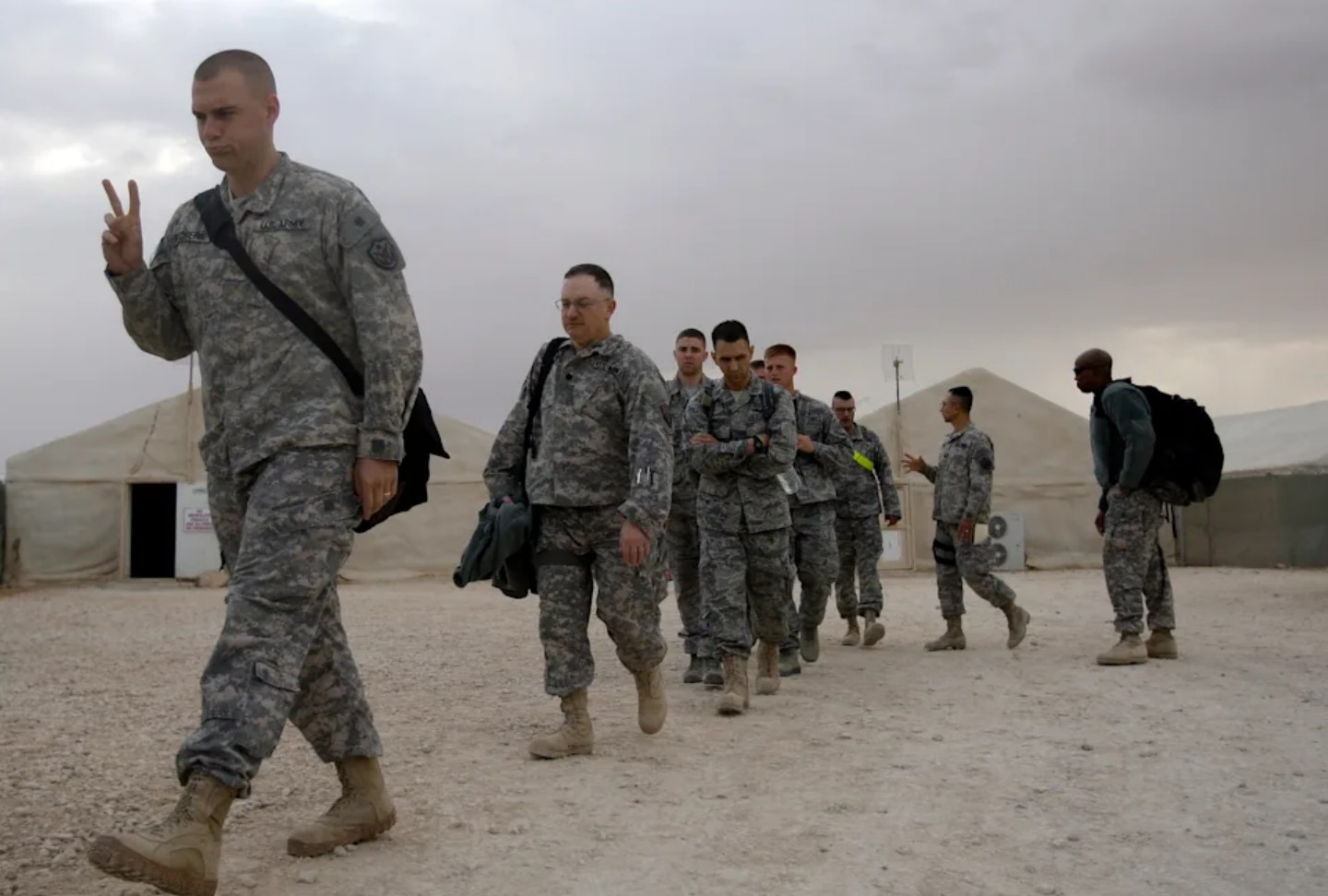
BAGHDAD (Realist English). The troop withdrawal was carried out in accordance with an agreement between Washington and Baghdad reached in 2024. At the start of the withdrawal, about 2,500 American service members remained in Iraq, deployed primarily in Erbil (Kurdistan), at a base near Baghdad airport, and in the “Green Zone.” The last forces and equipment left the airbase in Erbil on 30 September.
The Pentagon stated that responsibility for countering residual threats, including ISIS cells, now rests mainly with Iraqi forces. The US will continue to provide “targeted training and intelligence support” within the framework of bilateral relations.
Pentagon spokesperson Sean Parnell called the withdrawal an “orderly departure” and a “transition from the coalition’s military mission to Iraqi security efforts.”
“Sovereignty Day”: Celebration in Baghdad
The Iraqi government declared 30 September “Sovereignty Day” and introduced a four-day official holiday from 30 September to 3 October. Prime Minister Ali al-Zaidi stated: “1 October will become a new day in the history of the Iraqi state — the country is free from any foreign military presence, and national sovereignty over its territory has been fully restored.”
National Security Adviser Qasim al-Araji called the completion of the mission a “historic milestone.” Iraqi Armed Forces spokesperson Sabah al-Numan emphasized: “No foreign military forces or military bases will remain on Iraqi territory.”
Kurdish Concerns: Air Defense Withdrawal and Threat of Attacks
The US troop withdrawal included the dismantling of air defense systems, including a Patriot battery deployed near Erbil. The Ministry of Peshmerga of the Kurdistan Region stated that the region had been subjected to more than 1,000 drone and ballistic missile attacks during the recent US-Iran conflict.
“The US departure from Kurdistan under these complex regional circumstances, without providing a defense system, raises concern,” the ministry said in a statement. Kurdistan Prime Minister Masrour Barzani had previously called on Baghdad to provide protection against rocket and drone attacks.
Disarmament of Militias: Deadline Postponed to 2027
Initially, Baghdad linked the completion of the American mission to the disarmament of non-state armed groups. However, influential Iran-aligned factions such as Kataib Hezbollah, Harakat al-Nujaba and Kataib Sayyid al-Shuhada refused to surrender their weapons or put forward unacceptable conditions.
Prime Minister al-Zaidi postponed the disarmament deadline to 30 June 2027. According to analysts, even after that date, many armed groups are likely to remain outside the control of the central government.
Timeline of US Military Presence in Iraq
| Period | Event |
| 2003 | US invasion, overthrow of Saddam Hussein |
| 2011 | Complete withdrawal of American troops |
| 2014 | Return at Baghdad’s request to fight ISIS |
| 2017 | Declaration of military defeat of ISIS in Iraq |
| 2024 | Agreement on phased completion of the mission |
| 30 September 2026 | Completion of troop withdrawal |
Open Questions
Will Iraq be able to ensure its own security after the American forces leave, or will Iran-aligned militias refusing to disarm fill the power vacuum? Will Baghdad manage to maintain a balance between its alliance with Washington and Tehran’s growing influence, especially amid the ongoing US-Iran war?
And most importantly — will “Sovereignty Day” become a real turning point for the Iraqi state, or will the troop withdrawal merely open a new chapter of instability in the region? Answers will emerge in the coming months — as Iraqi forces assume full responsibility and armed groups decide whether to submit to the state.