WASHINGTON (Realist English). The US military has developed a new strike plan on Iran that includes the possible first use in the US-Iranian conflict of the GBU-43/B “Massive Ordnance Air Blast” (MOAB) — the most powerful non-nuclear bomb in the US arsenal, known as the “Mother of All Bombs.” According to CNN, citing several US officials, the plan could be activated before or after the November midterm elections — depending on Trump’s order.
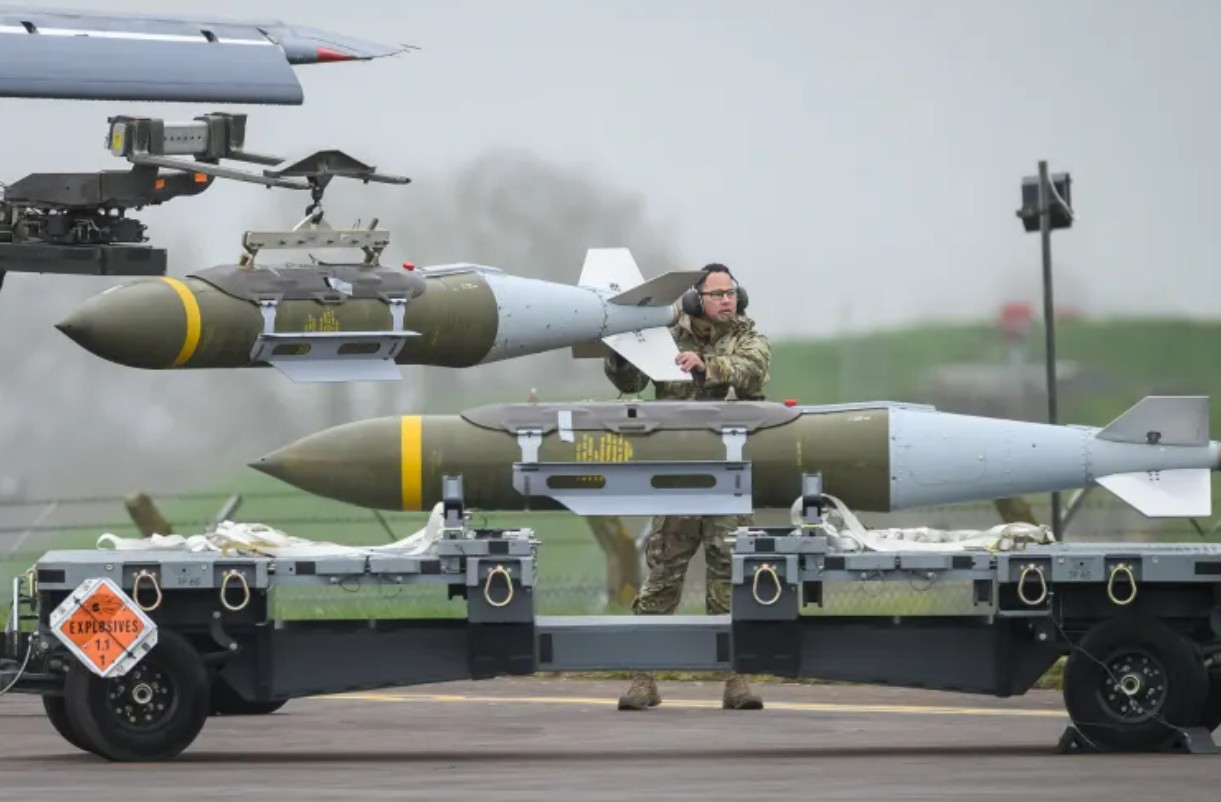
What the “Mother of All Bombs” is
The MOAB weighs 21,600 pounds (about 9.8 tonnes), is over 30 feet long, is GPS-guided, and has an explosive yield of about 11 tonnes of TNT, capable of destroying an area equal to nine city blocks. It was first and only used in combat in April 2017 in Afghanistan against an ISIS tunnel network.
Unlike penetrating bunker bombs, the MOAB is dropped from the tail cargo bay of an MC-130 special operations transport, extracted by parachute, and then falls freely, causing destruction primarily over a large surface area.
Why it is being considered now
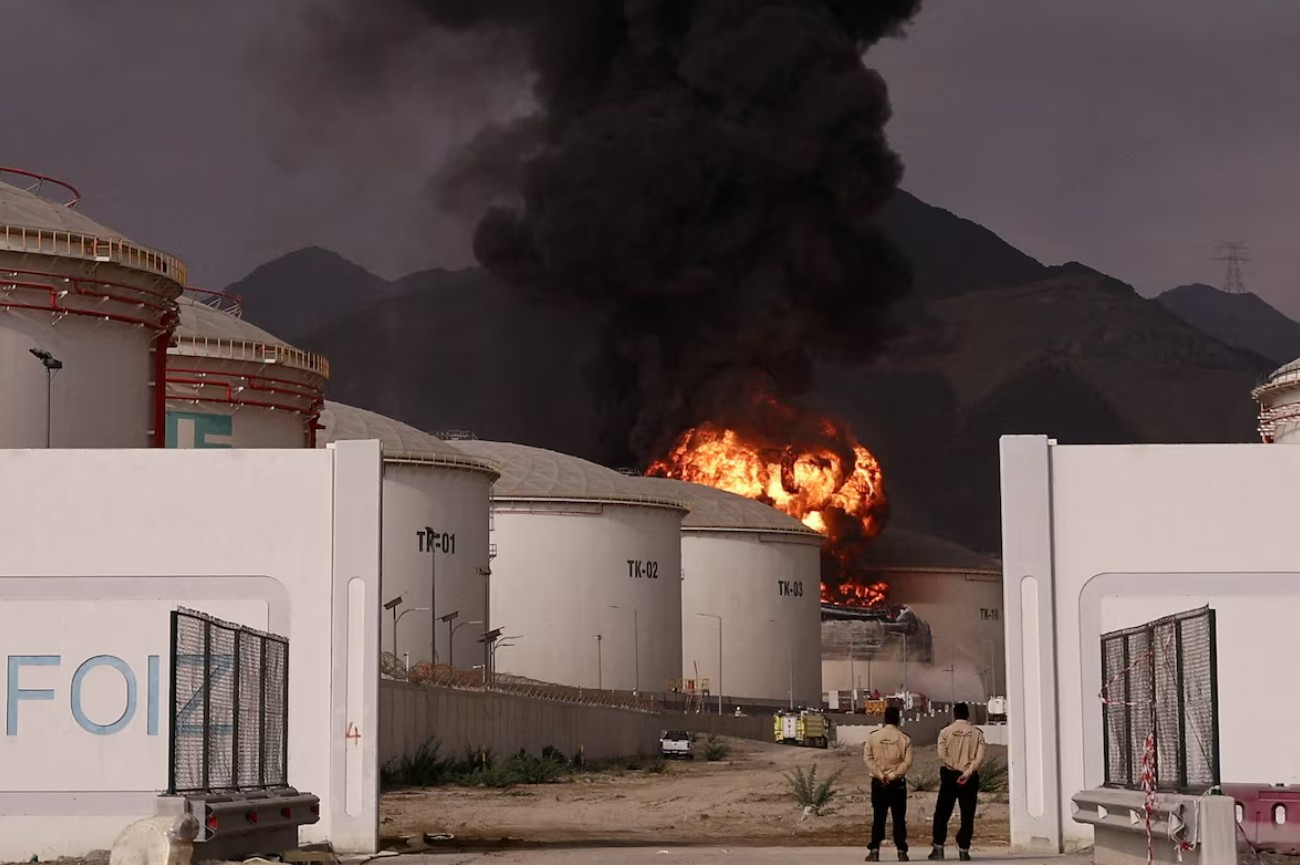
Trump has ordered the military to develop additional strike options against Iran’s “large-scale energy infrastructure” and nuclear facilities, among which the MOAB option is explicitly listed. One source noted that the plan’s wording suggests strikes would be carried out “before the withdrawal of US troops from the Central Command area of responsibility,” hinting at a possible scenario: strike, declare victory, and quickly leave.
In recent months, Trump has repeatedly threatened to strike “Pickaxe Mountain,” where, according to the US and Israel, Iran stores equipment related to its nuclear program. The Iranian side says it will continue the fight: Parliament Speaker Qalibaf stated that Tehran will “combine military capabilities with negotiations” to force Washington to accept its demands.
Combat effect questioned
Several sources doubt the real military value of the MOAB. One of them, familiar with military planning discussions, said directly: “The MOAB is an information warfare weapon, good for large-scale clearing, but beyond that its use is limited. It is definitely not a warhead designed for deep penetration.”
Iranian nuclear facilities, especially Fordow and Pickaxe Mountain, are located in granite layers at depths of 80–90 meters with multi-layered concrete reinforcement. During Operation Midnight Hammer in June 2025, the US used 14 GBU-57 “Massive Ordnance Penetrator” (MOP) bombs on Fordow — the first combat use of this weapon.
The MOP weighs 13,600 kg, has an estimated penetration depth of about 60 meters, and is specifically designed to destroy hardened underground targets. Nevertheless, the question of whether Fordow was “completely destroyed” remains disputed.
Against this backdrop, the MOAB lacks deep penetration capability, and its use against Pickaxe Mountain or Fordow would likely affect only surface objects. Sources also note that the MOAB’s huge blast radius will almost inevitably raise concerns about civilian casualties, especially when striking energy facilities near residential areas.
Trump’s position
On October 15, in an interview with Newsmax, Trump clearly stated he would not use nuclear weapons: “I will not use a nuclear bomb. We don’t need it.” He also explained the difference between the MOAB and nuclear weapons: “The ‘Mother of All Bombs’ is not a nuclear bomb at all. It’s just a very large conventional bomb, with the power of a small nuclear one, but it’s not a nuclear bomb.” Regarding ground troops, Trump said he “doesn’t see such a possibility.”
Earlier, on October 8, he stated he would not order the resumption of military strikes before the November 3 midterm elections.
What this means
The discussion of the MOAB is essentially psychological warfare. In the absence of conventional munitions capable of penetrating Iran’s deepest underground facilities — the MOP’s estimated limit against granite layers may be significantly reduced — Washington is choosing the “Mother of All Bombs” as a tool of pressure, not as a weapon that changes the course of hostilities.
Trump, on the one hand, demonstrates the richness of military options; on the other, he persistently emphasizes the “non-nuclear” nature and refusal of ground troops, trying to balance between deterring Iran and calming domestic anti-war sentiment. But for Tehran, the real question is not whether the MOAB can destroy Fordow, but whether Washington is prepared to bear the political cost of using it.
If the strike targets are near residential areas, civilian casualties could quickly turn “psychological deterrence” into a diplomatic disaster.