CARACAS (Realist English). Venezuela has handed over to the United States one of the FBI’s ten most wanted fugitives — a Venezuelan citizen accused of cyber-financial crimes. The move is seen as a signal of deepening cooperation between the interim government and the Trump administration, though its legal basis remains disputed and could set a precedent for future requests.
The essence of the event: who was handed over and what he is accused of
The individual handed over is Aníbal Alejandro Canelón Aguirre, 50, a Venezuelan citizen. He has two known nicknames: “Prometheus” and “The Engineer.”
The US Department of Justice accuses him of conspiracy to commit bank fraud, malicious damage to computer systems, money laundering, and providing material support to a terrorist organization.
In particular, it is alleged that he helped develop and use malware to steal cash from ATMs in the United States. These funds, it is claimed, went to the US-designated foreign terrorist organization Tren de Aragua.
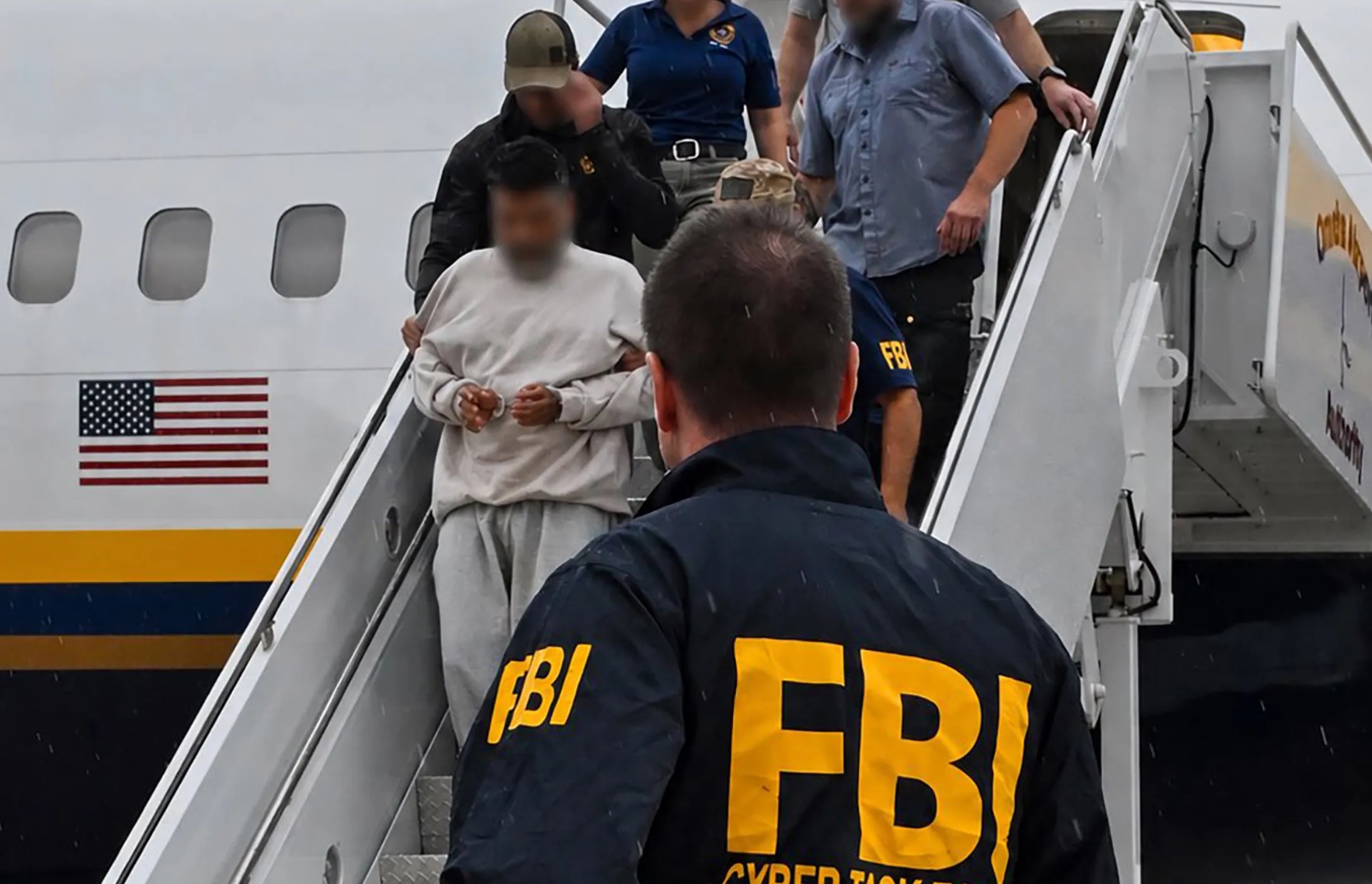
Canelón was added to the FBI’s Ten Most Wanted list in March 2026, becoming the first cybercrime suspect in the list’s history. He was detained in Venezuela in mid-September, then handed over to the US and appeared before a federal court in Nebraska on October 2, where he pleaded not guilty to all charges.
Legal classification: not “extradition” but “transfer”
The legal nature of the transfer is deliberately blurred. The US Department of Justice did not classify it as “extradition,” and FBI Director Kash Patel described it as one of “more than 100 overseas custody transfers” carried out by the FBI over the past 18 months.
This caution in wording is due to strict restrictions in Venezuelan law: Venezuela’s constitution prohibits the extradition of its own citizens. Canelón is a native of Venezuela, unlike the previously transferred Alex Saab (born in Colombia and later naturalized as a Venezuelan citizen), so the legal path of “extradition of a non-citizen” is not applicable here.
Background: a turning point in US-Venezuela relations
Canelón’s transfer is not an isolated episode but a link in a chain of dramatic changes in relations between Washington and Caracas in 2026.
On January 3, 2026, US armed forces detained then-Venezuelan President Nicolás Maduro and his wife Cilia Flores and brought them to the US, where they face charges of narco-terrorism. After that, former Vice President Delcy Rodríguez became interim president and quickly adjusted policy toward the US.
Under Rodríguez’s leadership, Venezuela and the US began cooperation in several areas:
— In February 2026, Rodríguez met with the commander of US Southern Command; the sides agreed on bilateral cooperation in combating drug trafficking and terrorism.
— On March 5, 2026, both countries announced the restoration of diplomatic and consular relations, ending a rupture that had lasted since 2019.
— In May 2026, Venezuela handed over to the US Alex Saab, a former key ally of Maduro.
— Rodríguez has repeatedly publicly called on the US to lift sanctions on Venezuela, stating that the countries should become “friends and partners.”
Significance and possible consequences
For US-Venezuelan relations, Canelón’s transfer is the latest gesture by the Rodríguez government demonstrating readiness to cooperate with Washington. FBI Director Patel linked this case to broader law enforcement interaction, indicating the institutionalization of security contacts.
From a legal standpoint, the case could set an important precedent. Washington is seeking the transfer of dozens of Venezuelan financiers and former officials facing US charges. The approach applied in Canelón’s case — “custody transfer” instead of “extradition” to bypass the constitutional prohibition — provides a replicable model for similar future cases.
Unresolved questions: the exact legal basis for Canelón’s transfer by the Venezuelan side has not been disclosed; it is unclear whether the US, after the Saab and Canelón cases, will demand further transfers of other individuals located in Venezuela and wanted by the American side (for example, former Oil Minister Tareck El Aissami, held in custody in Venezuela since 2024).