WASHINGTON (Realist English). On 19 August, US President Donald Trump announced the launch of “the most devastating economic operation ever conducted against any country,” threatening “COLOSSAL economic consequences” for any nation that continues to provide financial or commercial support to Tehran.
The announcement came amid the failure of negotiations to resolve the five‑month conflict and a day after the UAE froze all trade and financial operations with Iran.
The substance of Trump’s announcement
In his Truth Social post, the US president declared:
“Today I am announcing THE MOST DEVASTATING ECONOMIC OPERATION EVER CONDUCTED AGAINST ANY COUNTRY.”
He called it “economic warfare and isolation on an unprecedented scale.”
Key provisions:
| Area | Substance |
| Secondary sanctions | Any country whose financial institutions, businesses, airports or government agencies provide Iran with “any support” will face “COLOSSAL economic consequences” |
| Target mechanisms | Termination of oil smuggling traffic, swap lines, cash transfers, exchange offices, ship registries and shell companies |
| Call to allies | Trump called on all allies to join the US in isolating Iran |
| Nuclear prohibition | “IRAN WILL NEVER GET NUCLEAR WEAPONS” |
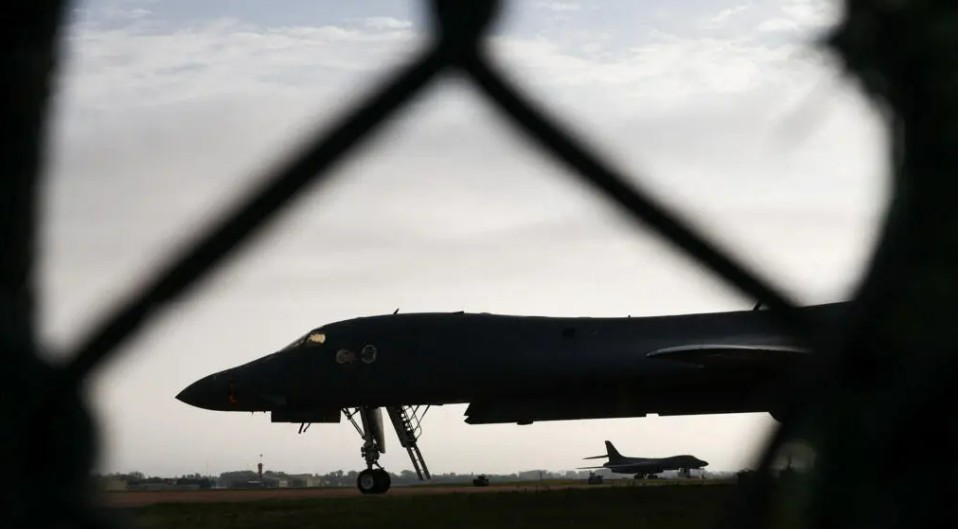
Trump also claimed that Iran’s military capabilities had been virtually destroyed: “Their navy is destroyed, their air force is ruined, their military factories lie in ruins, their currency is worthless, and their country is hanging by a thread.”
At the same time, he left the door open for a resumption of negotiations: “Maybe at some point.”
Failed negotiations
The announcement followed the expiration of the 60‑day memorandum of understanding signed in June.
Earlier, on 13 August, Treasury Secretary Scott Bessent had warned of upcoming “unprecedented” measures. CNN notes that the new strategy is a “face‑saving” move after Trump failed either to bomb Iran into capitulation or to bring it to the negotiating table.
The conflict has been ongoing since 28 February, when the US and Israel launched strikes on Iran. The Strait of Hormuz remains effectively closed to commercial shipping.
Iran’s reaction and regional backdrop
No official response came from Iranian authorities, but state media received the announcement with scepticism:
| Outlet | Assessment |
| IRIB (state TV) | Follows the “failure of military aggression” |
| Tasnim (semi‑official) | “Not a new development” |
| Fars News | Called Trump’s statements “nonsensical” |
Trump’s announcement came after the UAE decided to suspend all trade and financial operations with Iran, following Abu Dhabi’s accusation that Tehran had launched two ballistic missiles towards the country.
Iran rejected the accusations. Brandeis University economics professor Nader Habibi suggested that the US had “actively encouraged or pressured” the UAE into imposing the embargo.
Against this backdrop, oil prices continued to rise for a fourth consecutive session, with Brent trading around $92 a barrel.
Expert opinion: ‘New sanctions unlikely to change Iran’s position’
A Middle East expert and senior fellow at an Israeli research centre commented:
“Iran has already endured decades of harsh sanctions and is unlikely to change its position under pressure. Trump is trying to create the appearance of activity to justify the lack of progress in negotiations. However, the real effect depends on whether the US can secure the participation of key partners – above all China, Iran’s largest oil buyer. Without that, the sanctions will remain little more than loud rhetoric.”
Analysis: a war of attrition by economic means
For Trump, the new economic campaign is an attempt to break out of a protracted military deadlock by tightening the financial blockade. However, experts doubt its effectiveness: Iran has already survived decades of harsh sanctions and, in analysts’ view, “is unlikely to change its position under pressure.” CNN also notes that the strategy requires “strategic patience, which Trump has almost never shown.”
The real effect will depend on whether the US can secure the participation of key partners – above all China, Iran’s largest oil buyer. The success of this strategy remains in question, but one thing is already clear: the war of attrition in the Persian Gulf continues, and its cost is rising for all sides.