ANKARA (Realist English). US Special Envoy for Syria and US Ambassador to Turkey Tom Barrack has stated that Israel’s airstrike on the Syrian Abu al‑Duhur airbase on the night of 18 August may have been a deliberate attempt to provoke Turkey into a military conflict.
In an interview with entrepreneur Mario Nawfal, published on 21 August, Barrack called the incident “serious and alarming,” one that nearly led to a direct confrontation between two key US allies.
“One theory is that they were just trying to bait Turkey into a trap. It’s a very aggressive move, but it may play well before the elections,” Barrack said, referring to Israel’s upcoming parliamentary elections in October 2026.
Strike without warning
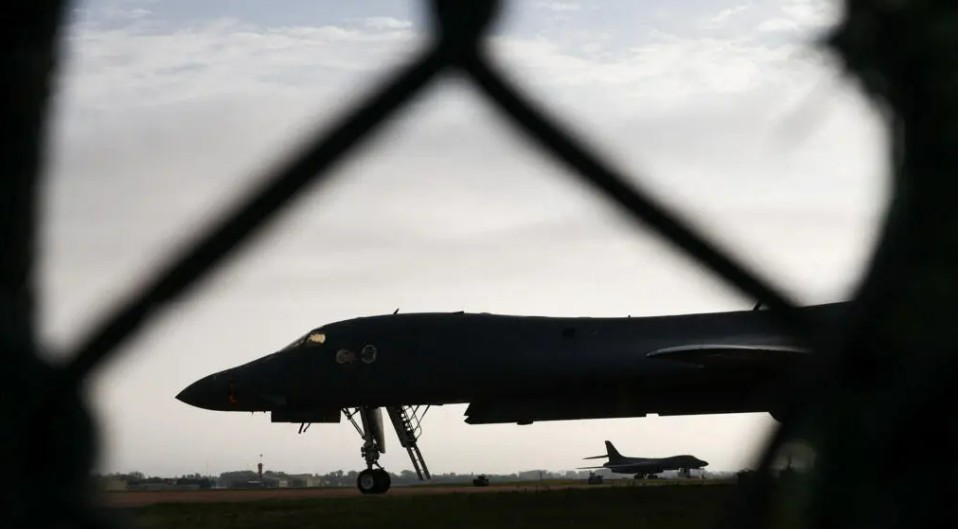
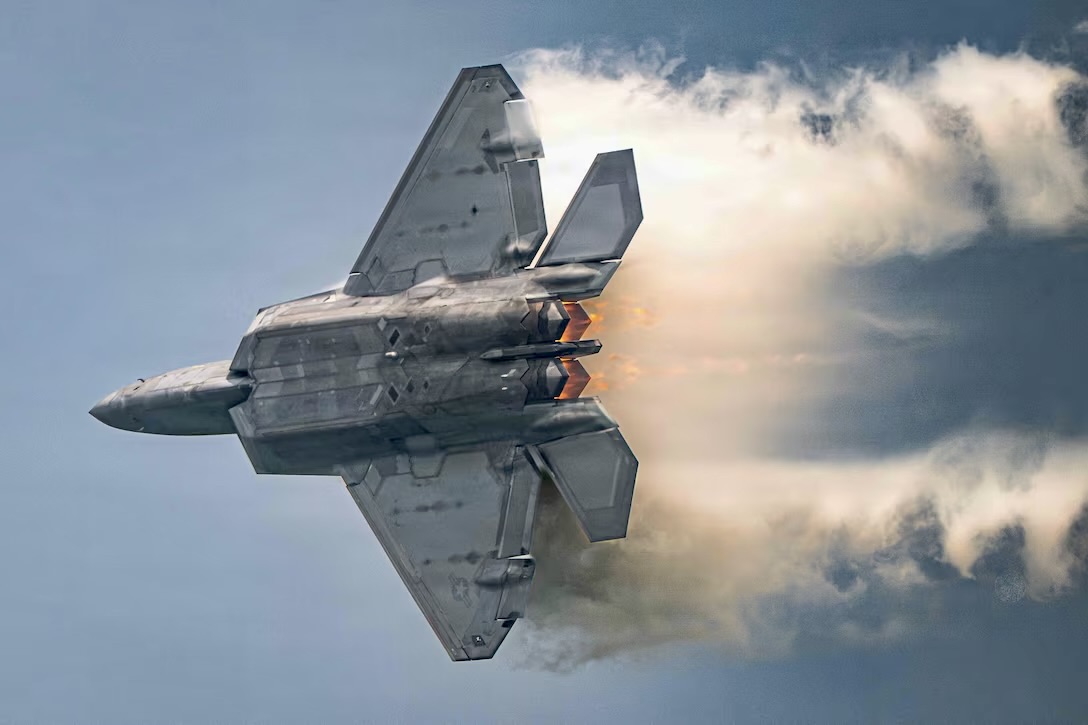
In the early hours of 18 August, Israeli military aircraft carried out eight strikes on the Abu al‑Duhur airbase in Idlib province, damaging the runway and storage facilities. According to Israeli Prime Minister Benjamin Netanyahu’s official version, the strike was carried out because Syria was “on the verge of violating” an agreement by allowing Turkish troops to access the base. There were no casualties among personnel.
However, according to Barrack, Israel did not warn either the US or Turkey about the impending attack. This marked a significant departure from the usual practice of close coordination of Israeli military operations with Washington. Israeli aircraft approached the Turkish border without prior notification, which, according to Barrack, could have been perceived by Ankara as a direct threat.
“When they [Turkish military] see these planes flying toward the border and don’t know their target, direction or intentions, they start saying, ‘We’re going to have to scramble ours,'” Barrack explained, recalling that in 2015, Turkey shot down a Russian aircraft under similar circumstances.
Two theories: provocation or communications breakdown
Barrack offered two main versions of what happened.
First – political provocation. According to the ambassador, the strike could have been a conscious attempt to “test” Turkey and provoke it into a response. Ahead of Israel’s October elections, such a conflict could have played into the hands of Prime Minister Netanyahu, who “knows what his electorate wants.” “It’s a very aggressive concept, but it may be well received before the elections,” Barrack said.
Second – communications breakdown. Barrack did not rule out that there was a coordination failure between the Israeli military, Mossad and the prime minister’s office. According to him, about six days before the strike, Israel warned the US about a possible movement of Turkish forces to the base. However, US and Turkish intelligence checked the data and concluded: “No, this is not happening.”
Turkey’s Ministry of National Defence confirmed that no Turkish military delegation was at the Abu al‑Duhur base during or before the strike. Syrian Foreign Minister Asaad al‑Shibani also stated that Damascus had informed Israel in advance that there were no plans to establish a Turkish base or permanent military presence.
Israel’s reaction: denial and criticism of Barrack
The US ambassador’s statements sparked a sharp reaction in Israel. Israeli Defence Minister Israel Katz denied Barrack’s claims that there was no warning, stating that Israel had notified “senior members of the Syrian government” and simultaneously “shared intelligence with the relevant authorities in the US.”
Katz also called Barrack’s comments “full of inaccuracies and positions that contradict” President Trump’s policy, particularly on the Golan Heights. Earlier, Barrack had stated that Israel “still” occupies the Golan Heights in violation of UN resolutions, which diverged from Washington’s recognition of Israeli sovereignty over the territory under Trump.
Netanyahu’s office insists that the strike was carried out because Syria was “on the verge of violating” the agreement by allowing Turkish troops to access the base.
Turkey’s position: restraint despite provocation
Barrack particularly noted that, according to his information, Turkey was not seeking a military conflict with Israel. The country’s leadership, intelligence services and President Recep Tayyip Erdoğan himself consistently demonstrated restraint.
At the same time, Barrack called Turkey’s growing regional role a factor that “makes everyone nervous” and called on all sides to exercise restraint.
Escalation on all fronts
The airbase incident occurred against the backdrop of rapidly deteriorating relations between Israel and Turkey. On 21 August, Ankara contacted Interpol with a request to issue a “red notice” for Netanyahu’s arrest on charges of “genocide” and crimes against humanity in connection with events in the Gaza Strip.
This move was a continuation of legal proceedings in Turkey that began after the arrest of Israeli military and political figures in connection with the “Freedom Flotilla” incident. Turkey’s Justice Ministry stated that it “will not allow crimes committed in Gaza to be covered up or shielded from justice.”
The strike on Abu al‑Duhur was not just another Israeli attack in Syria – it was a moment when two key US allies, Israel and Turkey, came to the brink of direct military confrontation. As Barrack noted, “unintended consequences of a mistake could be really serious.”
The question is whether this attack was a calculated political move by Netanyahu ahead of the elections, a battlefield error, or a signal to Ankara that Israel will not tolerate Turkish military presence near its borders. One thing is clear: even if the worst was avoided, trust between the two regional powers has been undermined, and a new round of tension may be only a matter of time.